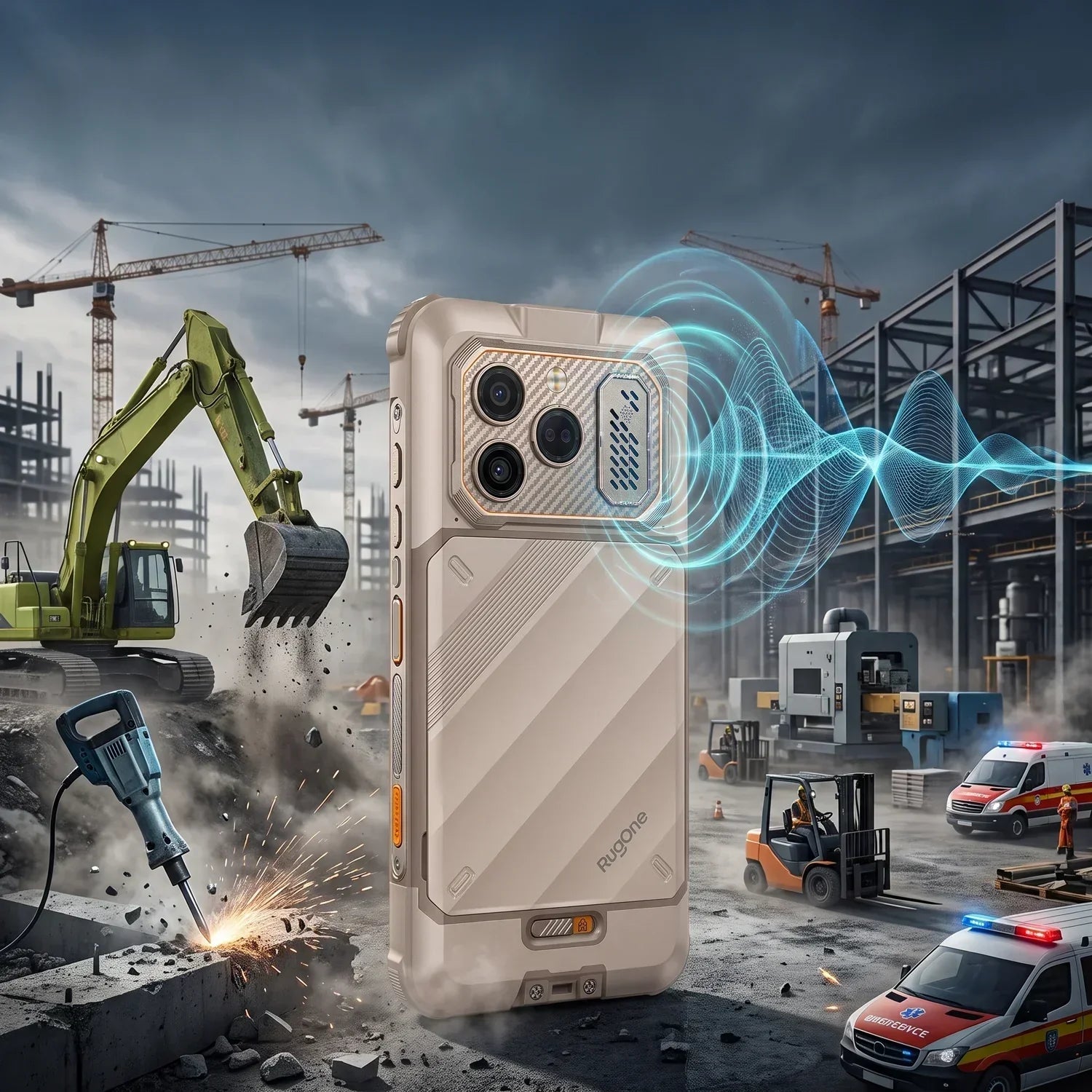
Standard smartphones max out at 80–90dB. Construction sites, factory floors, and emergency scenes regularly exceed 95–110dB. When ambient noise overtakes your phone's speaker output, calls go misse...
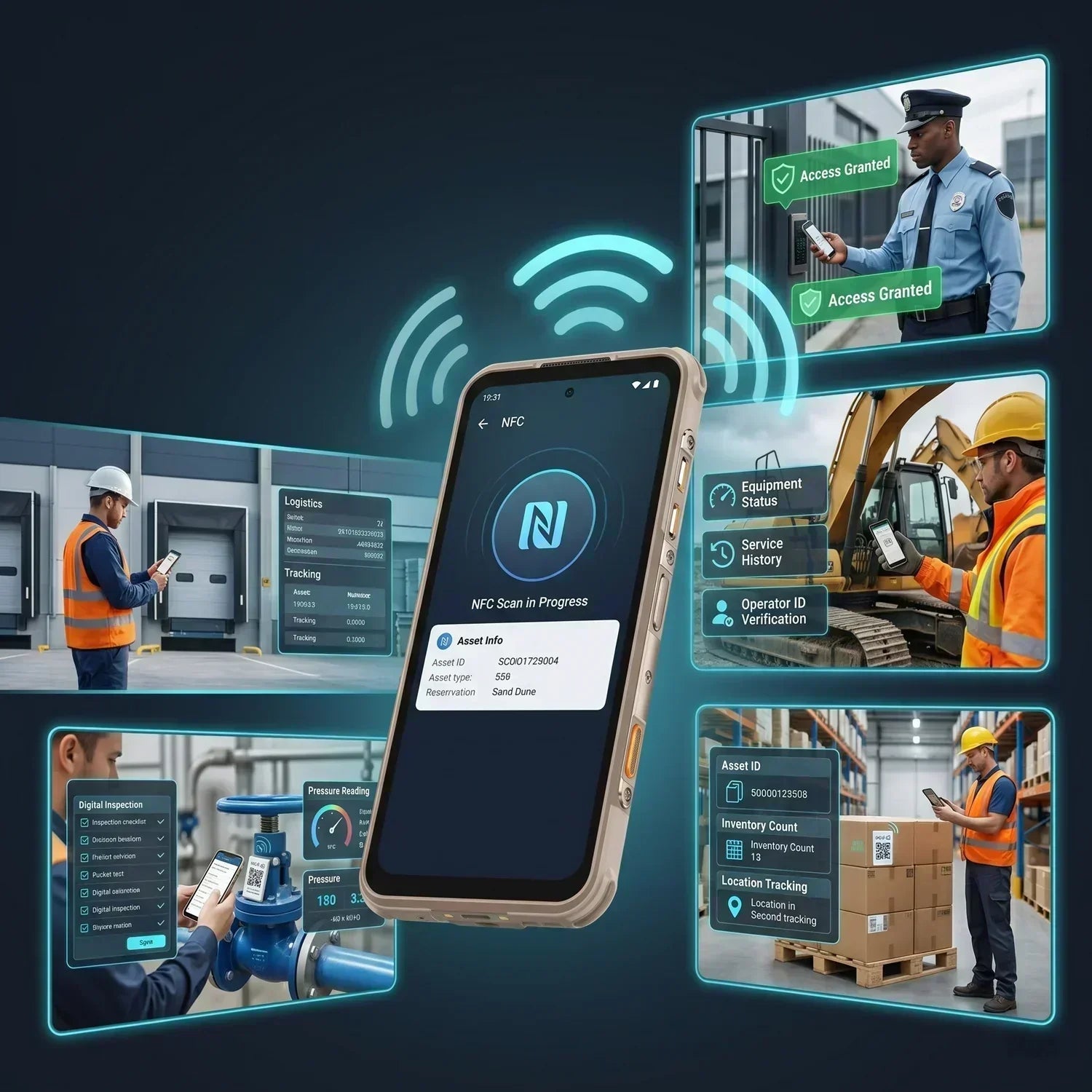
NFC-enabled rugged phones allow field workers to tap into access control, asset tracking, equipment inspection, and attendance systems — without manual entry or dedicated scanners. This article cov...
The SIM card tray is one of the most overlooked structural vulnerabilities in rugged smartphone design. Every physical slot is a potential ingress point for water, dust, and particulates — and no e...
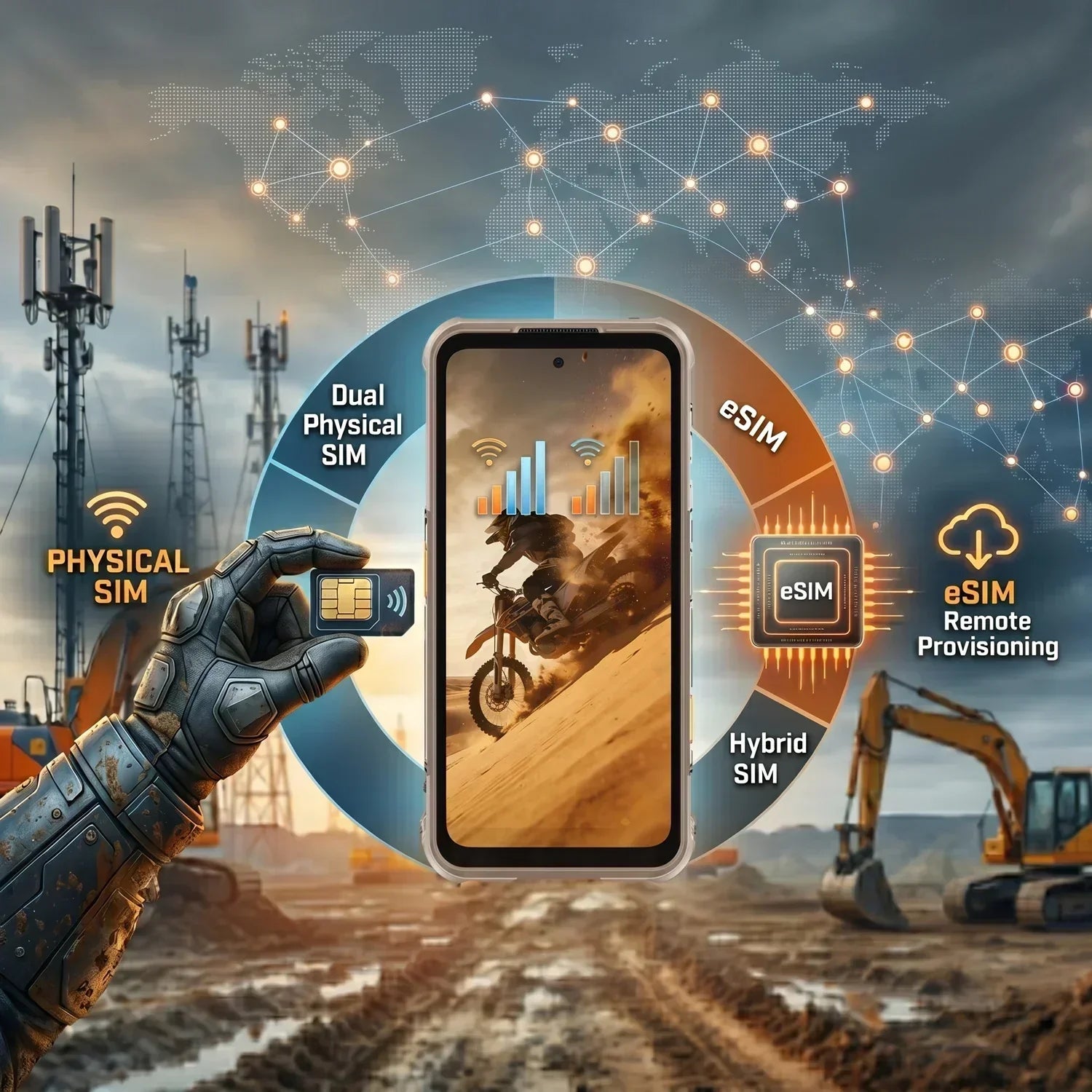
Not all rugged smartphones handle connectivity the same way. This guide breaks down eSIM vs dual SIM vs hybrid SIM — scenario by scenario — so field professionals can choose the right setup before ...
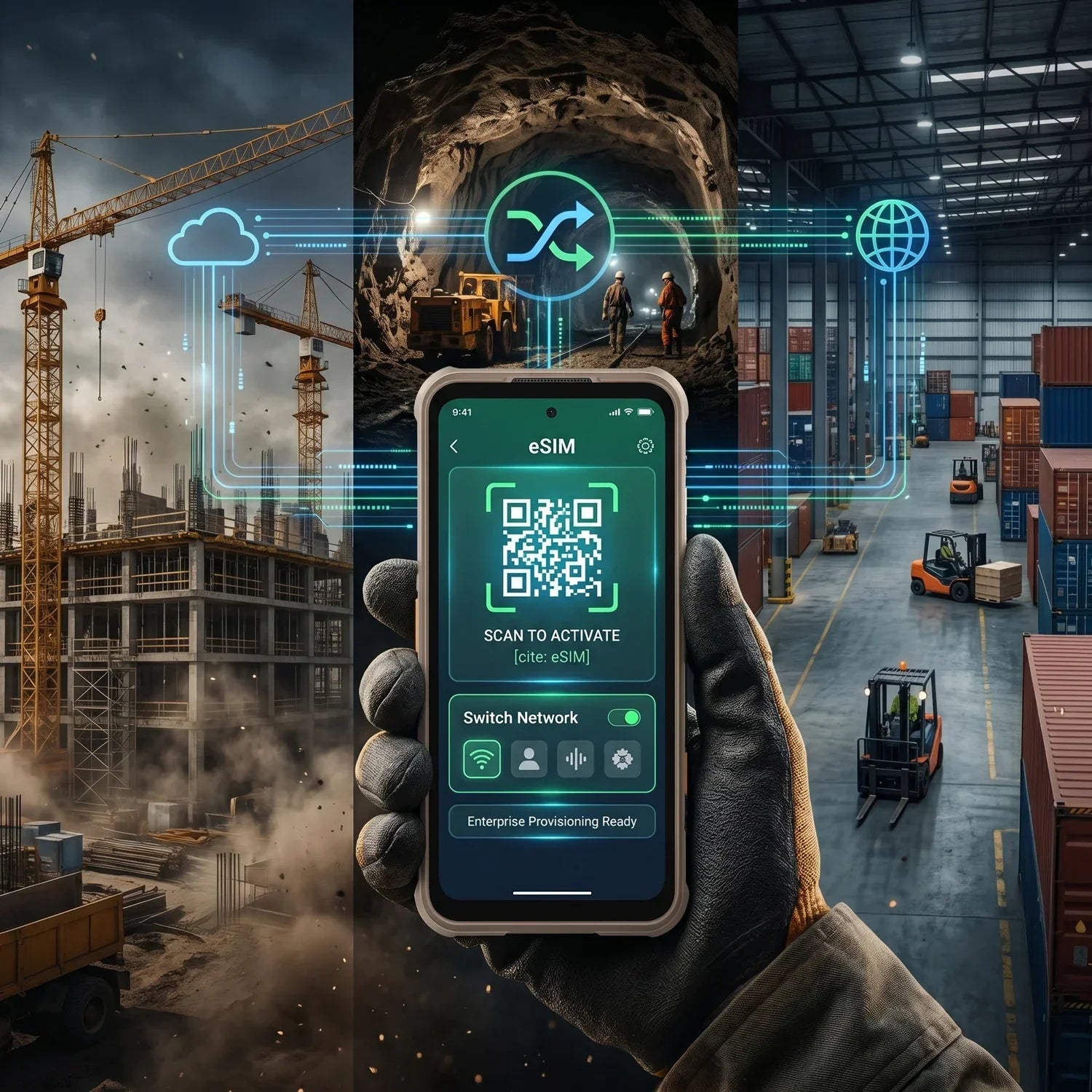
For field workers, logistics teams, and enterprise IT managers, staying connected in harsh environments isn't just about hardware durability — it's about connectivity that works without friction. e...
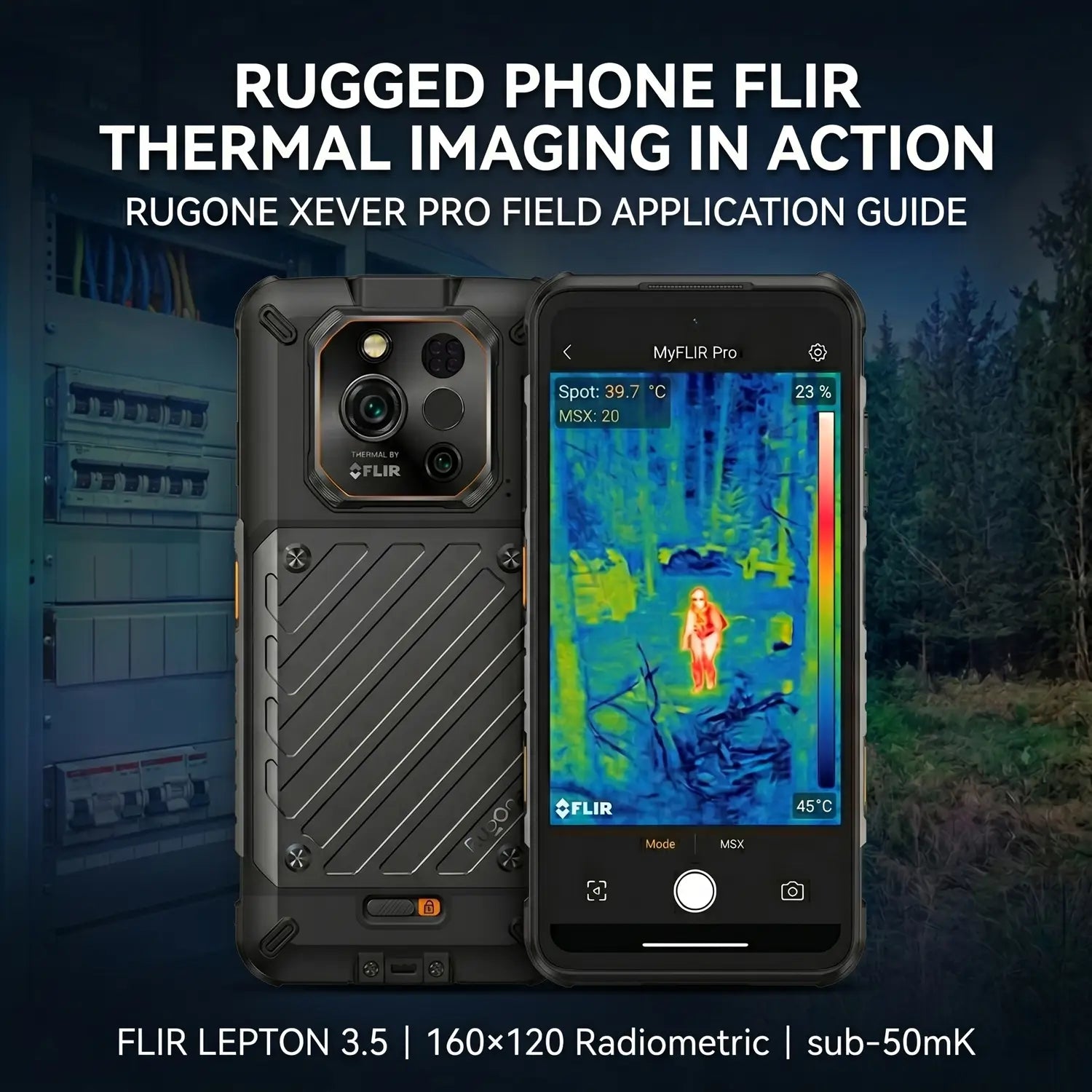
Thermal imaging on a smartphone is no longer limited to specialized industrial devices. The RugOne Xever 7 Pro integrates a FLIR Lepton 3.5 sensor — a 160×120 radiometric thermal camera with sub-50...
You’ve seen "MIL-STD-810H" on rugged phone specs, but what does it actually mean? Dive into the extreme environmental testing behind our most durable devices and find out why this military-grade ce...
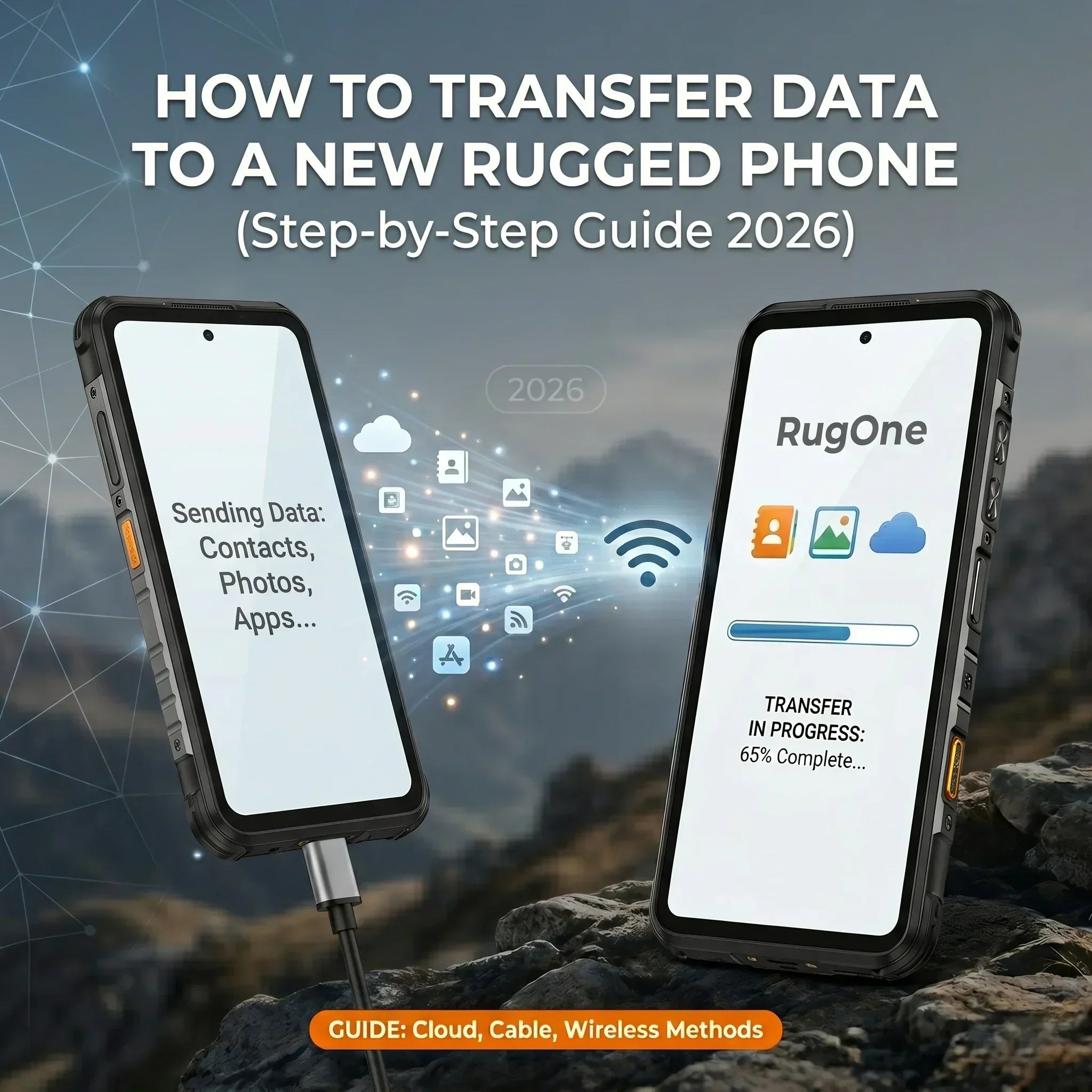
Switching to a rugged smartphone doesn’t have to be complicated. This guide walks you through how to transfer data to a new rugged phone quickly and safely using different methods.
Not all smartphone brands focus on durability. This guide explains what companies specialize in waterproof and shockproof smartphones, how they design rugged devices, and what makes them reliable i...