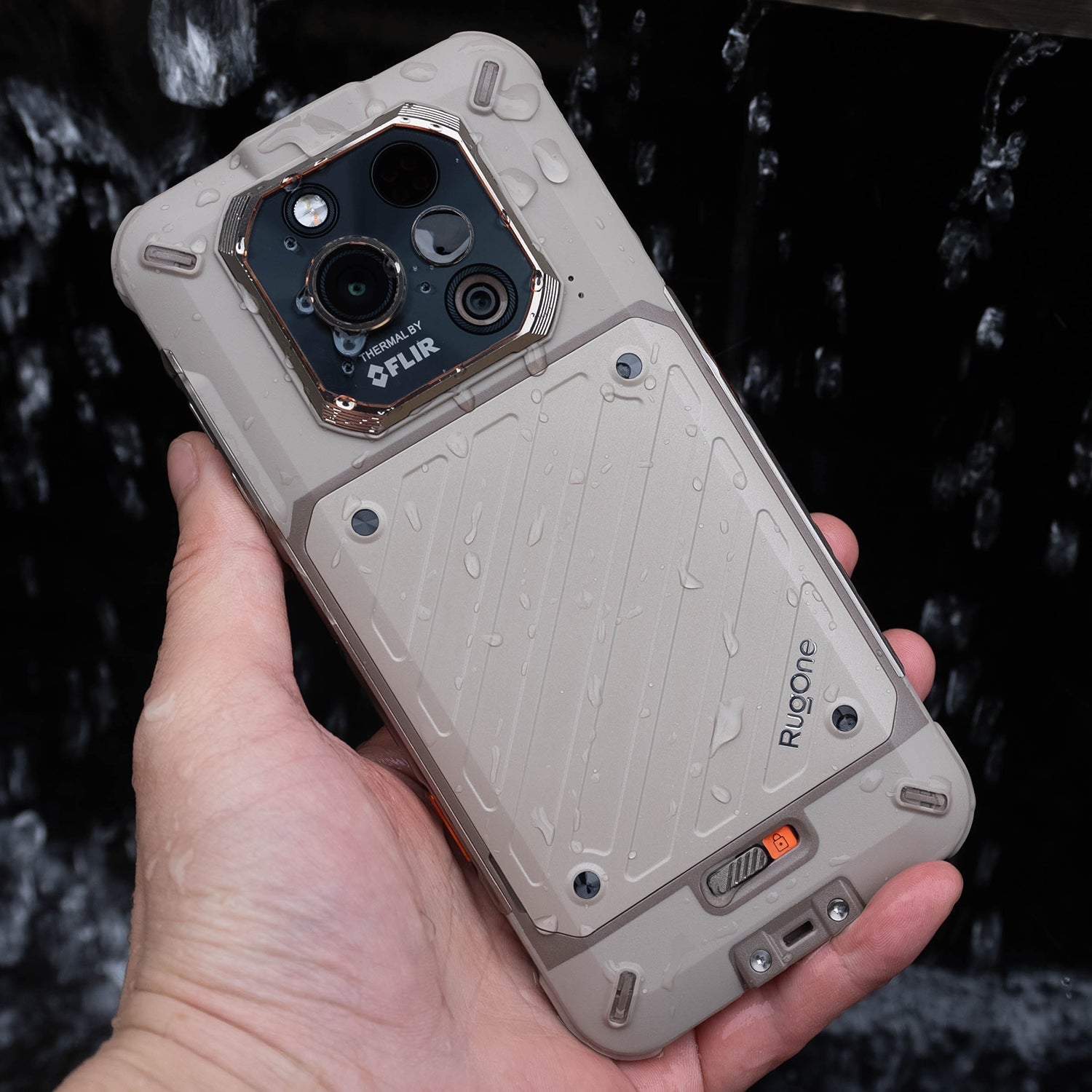
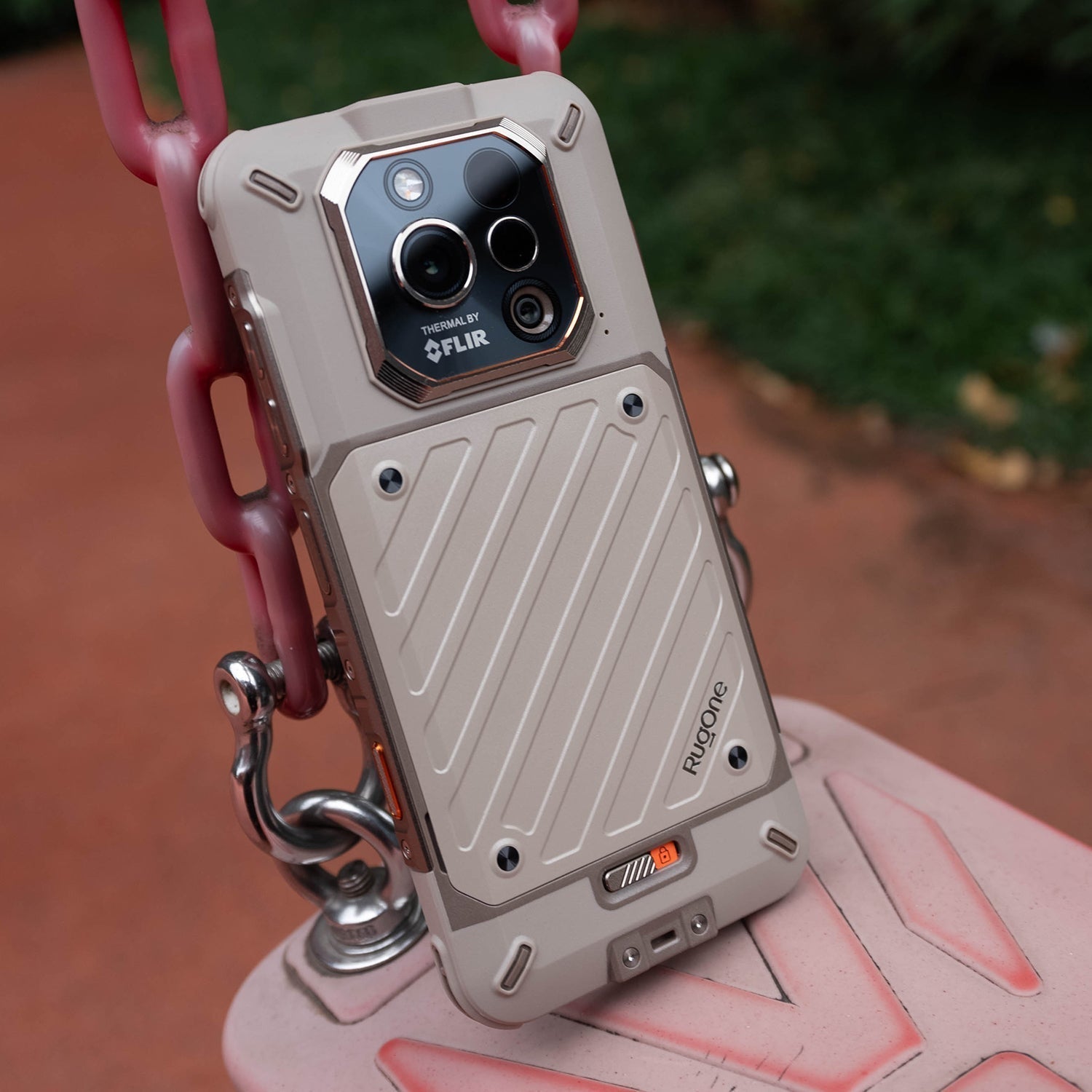
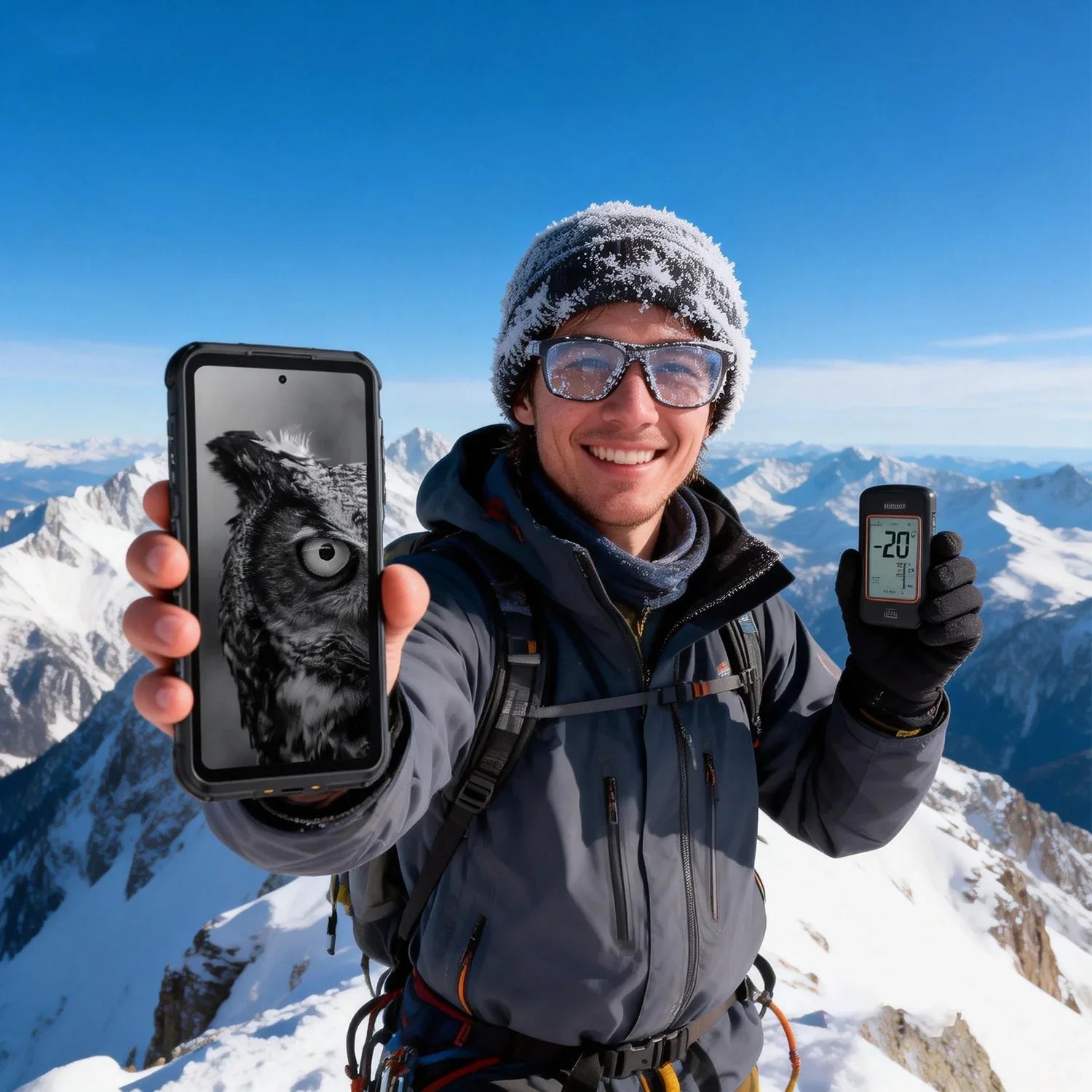
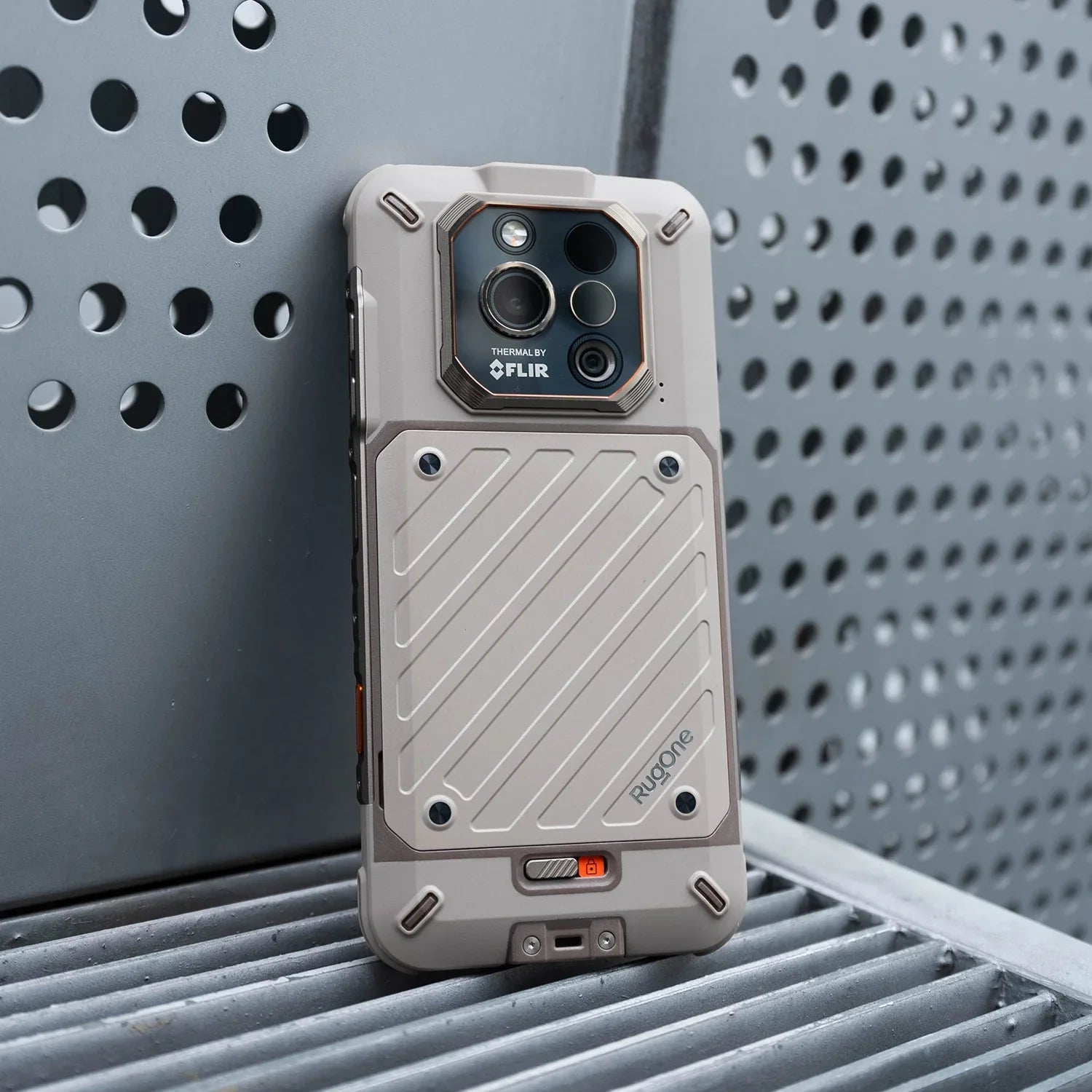
Long-term outdoor use exposes smartphones to environmental stress factors that gradually reduce device reliability. Temperature fluctuations, moisture, dust, UV radiation, and mechanical vibration ...
A “best-in-class” rugged smartphone is defined not by peak specifications, but by its ability to operate continuously under harsh and unpredictable conditions.
This article examines the core criter...
Explore the science of battery performance in extreme cold. This guide explains why standard smartphones fail in freezing temperatures and how RugOne’s industrial-grade engineering ensures your de...
Why are rugged phones still bulky in 2026? It’s not a lack of tech—it’s an intentional engineering choice. Explore how structural mechanics and 'survival redundancy' make thickness a necessary comp...
This article breaks down what IP67, IP68, and IP69K actually certify — each tests a different failure mode (brief shallow submersion, deeper/longer submersion, or high-pressure high-temperature jet...