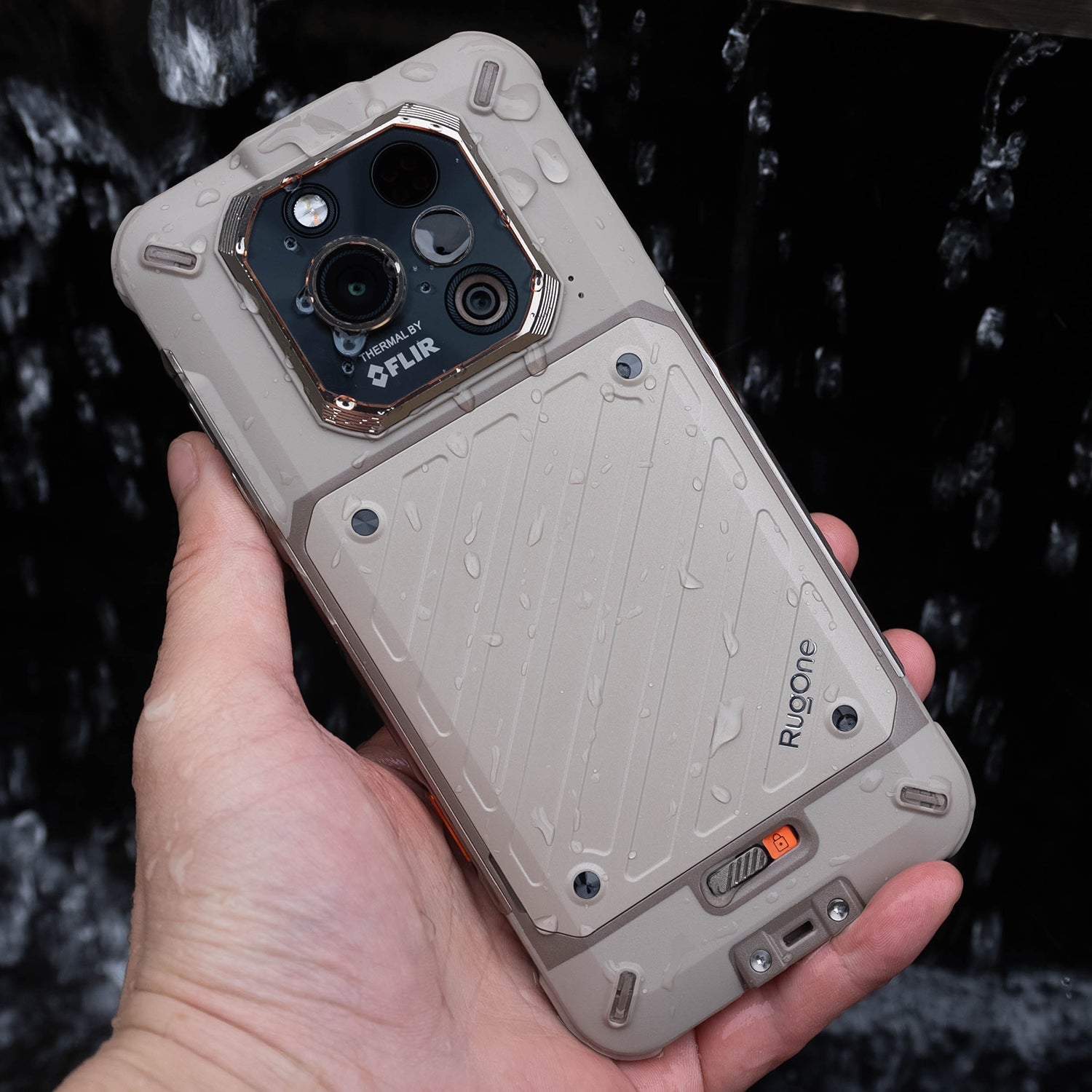
 Xever 8
 Xever 7 Pro
 Xever 7
 Xlink 7
 Charging Station (Xever 8 Series)
 Charging Station (Xever 7 Series)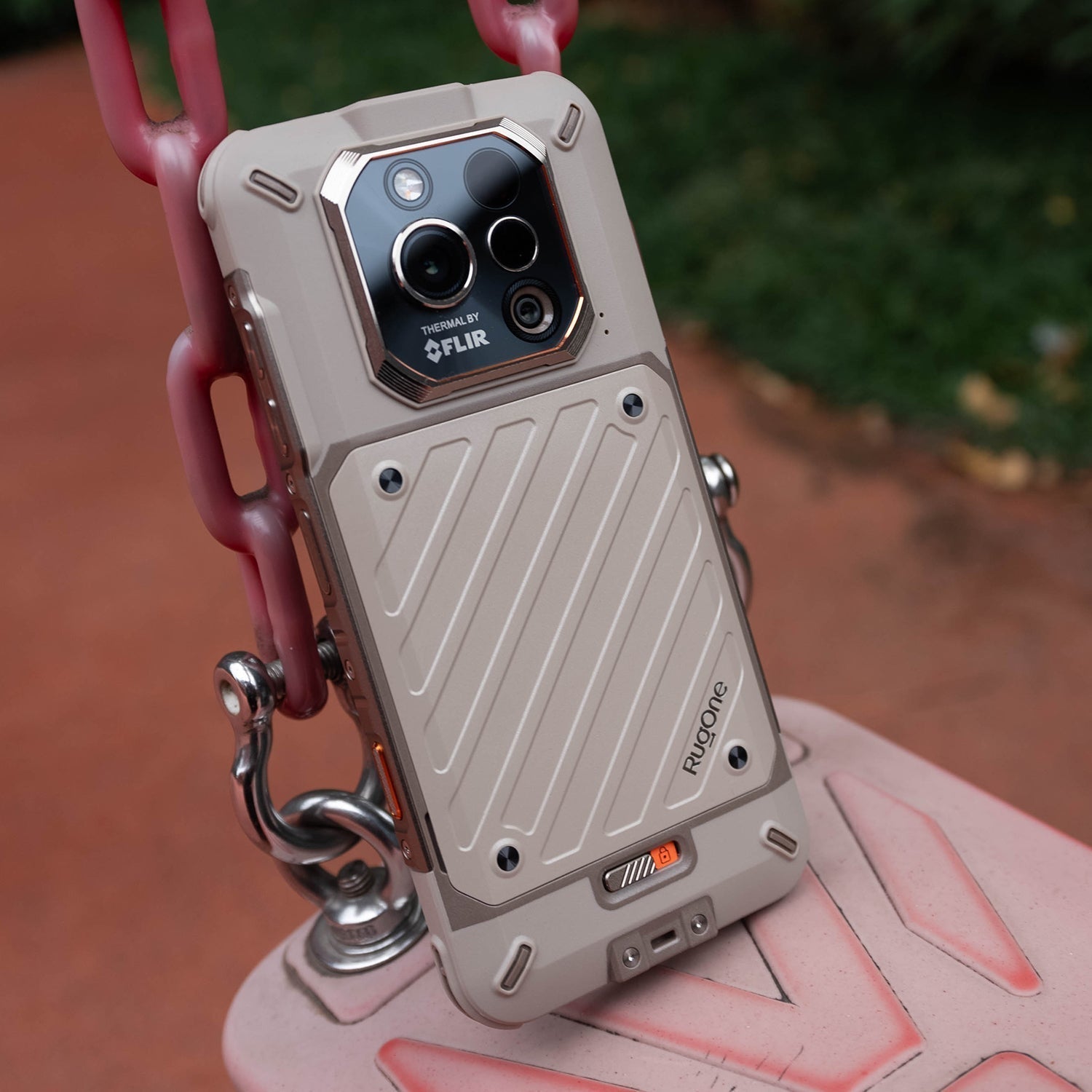
Understanding What the “Best Product Award” Really Represents
In the rugged device category, a “Best Product Award” is rarely about raw specifications alone.
Unlike consumer smartphones, rugged smartphones are evaluated on their ability to operate continuously under failure-prone conditions—cold, vibration, long shifts, and limited access to power.
For professionals, a “best” product is defined less by peak performance and more by operational reliability.
Core Criteria Behind an Award-Winning Rugged Phone
Across professional use cases, award recognition typically reflects performance in four critical areas:
1. Power Continuity, Not Just Battery Capacity
High-capacity batteries look impressive on paper, but they do not solve the real issue: downtime during charging.
In field operations, shutting a device down—even briefly—can mean:
-
Interrupted navigation
-
Missed data capture
-
Delayed task completion
Award-winning rugged phones are designed to maintain operation without interruption, rather than maximizing battery size alone.
2. Reliability in Cold and Unstable Environments
Cold environments expose a common weakness in many smartphones: voltage drop under load, leading to sudden shutdowns.
For professionals working in winter conditions, mountainous regions, or cold storage environments, a rugged phone must:
-
Sustain stable output under low temperatures
-
Avoid unexpected power loss during active tasks
This reliability is often more important than peak CPU or camera performance.
3. Design for Failure Scenarios, Not Ideal Conditions
Consumer devices are optimized for comfort and aesthetics.
Rugged devices, by contrast, are judged on how they perform when things go wrong.
Award juries frequently prioritize designs that anticipate:
-
Battery depletion during long shifts
-
Limited access to charging infrastructure
-
Continuous usage without recovery windows
The ability to recover quickly—or avoid failure entirely—is a defining factor.
4. A Complete Operational System, Not a Standalone Device
An award-winning rugged phone is rarely evaluated as an isolated product.
Instead, it is assessed as part of a broader working system, including charging, mounting, and day-to-day deployment.
Accessories are not add-ons; they are part of the reliability equation.
Case Study: Why RugOne Xever 7 Pro Fits the “Best Product” Standard
The RugOne Xever 7 Pro exemplifies how these criteria translate into real-world design decisions.
Zero-Downtime Power Architecture
Rather than relying on a single sealed battery, Xever 7 Pro adopts a hot-swappable battery system, allowing power modules to be replaced without shutting the device down.
In practice, this means:
-
No forced downtime for charging
-
Continuous operation across extended shifts
-
Reduced reliance on external power banks
This design directly addresses one of the most common failure points in professional mobility.
Cold-Resistant Power Stability
Xever 7 Pro is engineered to maintain operational stability in low-temperature environments where conventional smartphones often fail.
By prioritizing power delivery consistency over peak performance metrics, the device remains functional when reliability matters most.
Dock-Based Charging as Part of the System
The official charging dock complements the device’s mobile use by supporting structured workflows such as:
-
Control rooms
-
Dispatch centers
-
Overnight staging environments
This reinforces the idea that Xever 7 Pro is not just a phone, but part of a continuous-use ecosystem.
Why Award Recognition Matters for Professional Users
For mission-critical users, an award is less about prestige and more about risk reduction.
Award recognition signals that a product has been evaluated against real operational challenges, not ideal laboratory conditions. It provides reassurance that design decisions were made with professional continuity, not consumer convenience, as the priority.
Conclusion: Defining “Best” in Rugged Mobility
A truly award-winning rugged smartphone is defined by:
-
Continuous operation without forced downtime
-
Stable performance in adverse environments
-
Design choices that prioritize reliability over aesthetics
-
A system-level approach to daily deployment
The RugOne Xever 7 Pro reflects these principles, which explains why it aligns with the standards typically associated with a “Best Product Award” in rugged mobility.