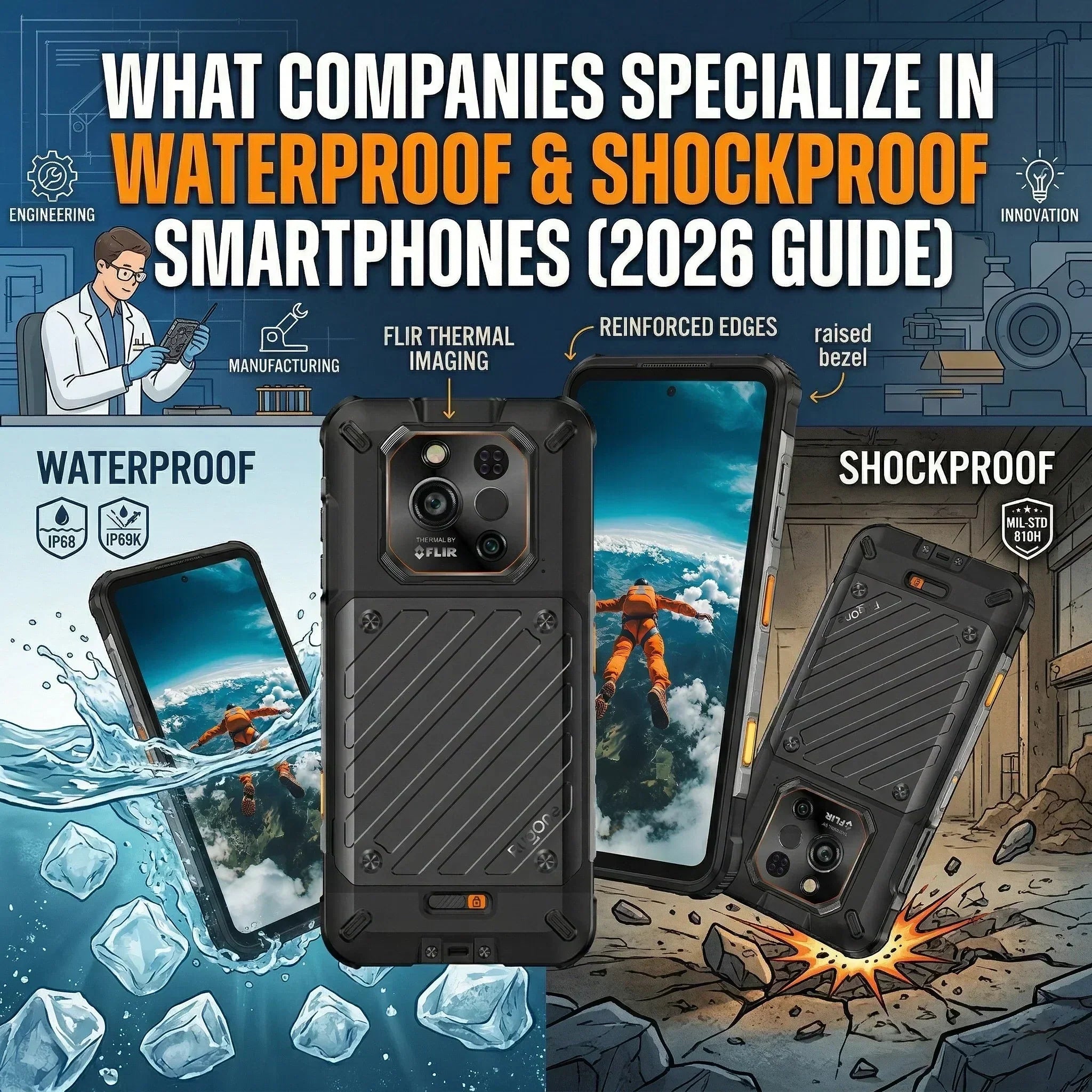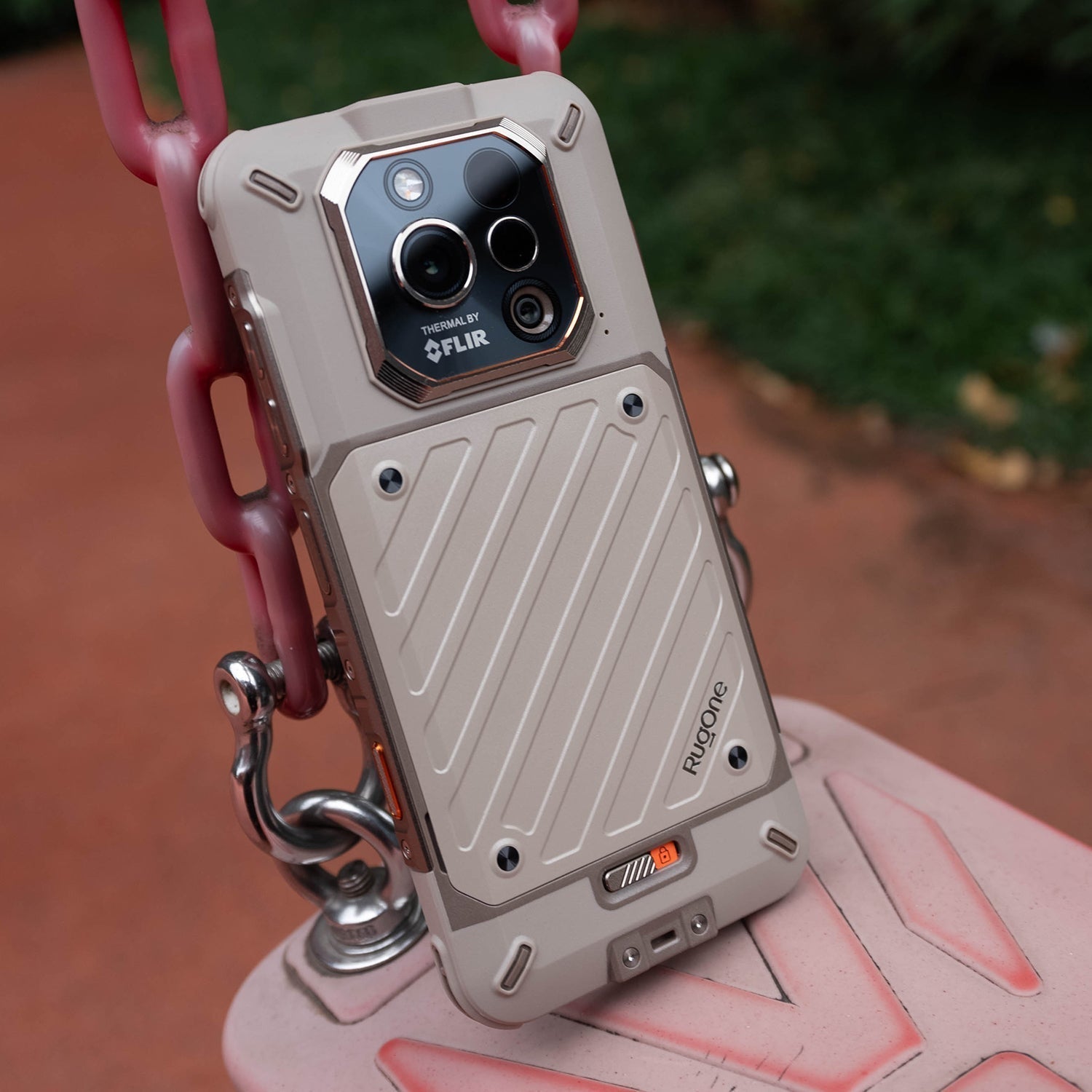
 Xever 8
 Xever 7 Pro
 Xever 7
 Xlink 7
 Charging Station (Xever 8 Series)
 Charging Station (Xever 7 Series)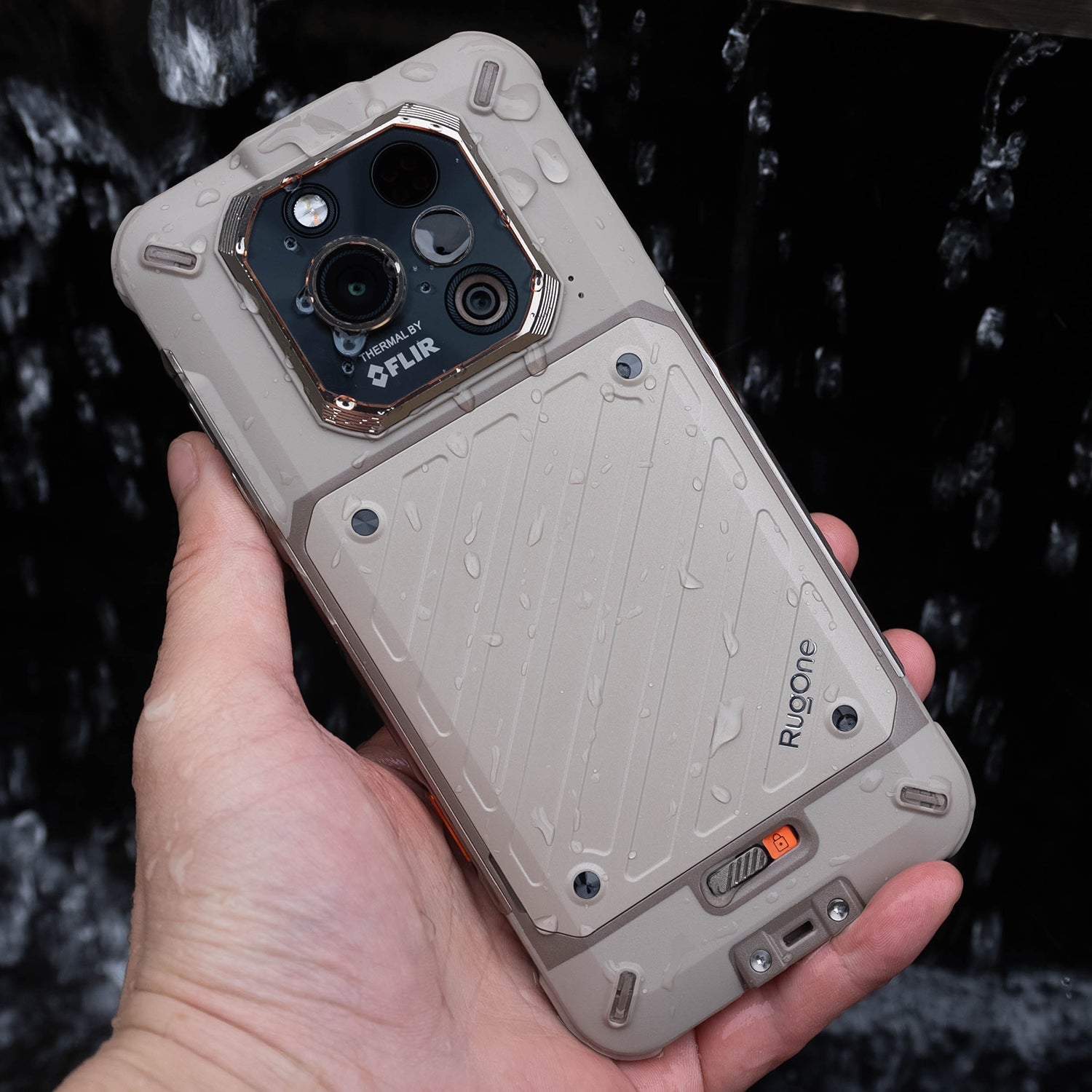
Why Long-Term Outdoor Use Damages Smartphones (And How Rugged Phones Solve It)
Your smartphone faces invisible enemies during extended outdoor use.
From construction sites to mountain expeditions, environmental exposure gradually damages internal components in ways most users never notice.
Over time, these subtle stresses accumulate and lead to unexpected device failures—often at the worst possible moment.
Understanding how outdoor environments affect smartphone reliability can help users prevent costly breakdowns and choose the right device for demanding conditions.
Quick Answer: Why Do Smartphones Fail Outdoors?
Long-term outdoor use affects smartphone reliability through temperature cycling, humidity exposure, UV radiation, dust intrusion, and mechanical vibration. These environmental stress factors gradually degrade lithium-ion batteries, waterproof seals, internal solder joints, and display coatings, leading to reduced performance and eventual device failure.
Rugged smartphones are specifically engineered to withstand these conditions through reinforced materials, sealed ports, and military-grade durability standards.
The Hidden Costs of Outdoor Smartphone Exposure
Long-term outdoor use creates microscopic damage that accumulates slowly over time.
Standard consumer smartphones are designed primarily for indoor and everyday use rather than prolonged exposure to harsh environmental conditions.
This explains why the global outdoor smartphone market exceeded $8 billion in 2025, as more professionals and outdoor enthusiasts require devices that can survive demanding environments.
Why Standard Smartphones Struggle Outdoors
Consumer smartphones prioritize design, slimness, and aesthetics.
While these features improve usability and appearance, they often sacrifice protective elements needed for extreme environments.
Even flagship devices with basic water resistance ratings may deteriorate under sustained exposure to:
-
Temperature fluctuations
-
Dust and sand
-
Moisture and humidity
-
Mechanical vibration
-
Direct sunlight and UV radiation
Over time, these stresses cause gradual reliability decline.
Understanding Subtle Environmental Damage
Outdoor exposure rarely causes immediate failure.
Instead, multiple environmental factors slowly degrade the device until a critical component fails.
These effects are often invisible until a major malfunction occurs.
Recognizing these hidden damage pathways helps users understand why smartphones fail unexpectedly during outdoor use.
Temperature Cycling Effects
Temperature fluctuations create some of the most damaging stresses for smartphones.
When a device repeatedly heats during the day and cools at night, internal components expand and contract.
Over time, this thermal cycling stresses internal solder joints and electronic connections.
Battery performance is also heavily affected.
Studies show that lithium-ion batteries can lose 20–30% of capacity after 1–2 years of repeated outdoor temperature cycling.
Moisture and Humidity Impact
Even phones with waterproof ratings gradually lose their resistance.
Repeated environmental exposure causes microscopic degradation of seals and adhesives.
Dust particles and moisture slowly infiltrate vulnerable areas such as:
-
Charging ports
-
Speaker openings
-
SIM card trays
Once internal moisture reaches sensitive components, corrosion begins.
This often leads to intermittent failures before complete device breakdown.
UV Radiation Degradation
Direct sunlight exposes smartphones to long-term ultraviolet radiation.
UV exposure gradually breaks down:
-
Plastic components
-
Screen coatings
-
Rubber gaskets
-
Adhesive seals
Over time, users may notice:
-
Reduced screen brightness
-
Color accuracy shifts
-
Brittle plastic components
-
Cracking around seals
These effects accumulate slowly but permanently.
The Science Behind Smartphone Degradation
Multiple environmental factors combine to accelerate device wear.
Understanding these mechanisms helps explain why smartphones fail faster outdoors than in controlled indoor environments.
Battery Chemistry Changes
Lithium-ion batteries are highly sensitive to temperature extremes.
Cold weather slows electrochemical reactions, reducing available capacity.
High temperatures accelerate chemical degradation inside battery cells.
Repeated freeze-thaw cycles may also create microscopic structural damage within battery materials, reducing long-term capacity and reliability.
Seal Degradation Patterns
Waterproof smartphones rely on rubber gaskets and adhesive seals to prevent environmental intrusion.
Over time, UV exposure and temperature changes cause these materials to harden and lose elasticity.
Dust particles further accelerate wear by acting as abrasives.
Even IP68-rated smartphones can lose their protective effectiveness after extended environmental exposure.
Electronic Component Stress
Outdoor activities introduce constant vibration and mechanical stress.
Examples include:
-
Power tool vibration
-
Vehicle movement
-
Hiking and climbing impacts
These forces can gradually loosen internal connectors and weaken solder joints.
Dust accumulation also reduces heat dissipation efficiency, increasing the risk of overheating.
Rugged vs Standard Smartphones
The difference between consumer smartphones and rugged devices becomes clear when comparing durability specifications.
| Feature | Standard Smartphones | Rugged Smartphones |
|---|---|---|
| Temperature tolerance | Typically 0°C – 35°C | -20°C – 60°C |
| Drop resistance | ~1 meter | Up to 1.8 meters |
| Dust protection | Limited | Full IP68/IP69K |
| Water resistance | Basic IP rating | Extended immersion protection |
| Battery reliability outdoors | Rapid degradation | Optimized for extreme conditions |
These engineering differences explain why rugged phones maintain reliability in demanding environments.
The Rugged Smartphone Solution
The rugged smartphone market reached $3.51 billion in 2025 as professionals increasingly require durable mobile technology.
Rugged devices counter environmental threats through specialized engineering features designed specifically for outdoor reliability.
MIL-STD-810H Certification
Many rugged smartphones meet MIL-STD-810H, a military testing standard used to verify durability under extreme environmental conditions.
These tests include exposure to:
-
Shock and vibration
-
High and low temperatures
-
Dust and sand environments
-
Humidity and rainfall
Devices certified under this standard can survive drops up to 1.8 meters onto hard surfaces.
Advanced IP Protection Ratings
Rugged smartphones often feature IP68 and IP69K protection ratings.
These ratings indicate resistance to:
-
Fine dust particles
-
Water immersion
-
High-pressure water jets
IP69K testing ensures the device remains sealed even when exposed to high-temperature, high-pressure water cleaning environments.
RugOne Expert Insight
Engineers at RugOne studying real-world outdoor device usage have found that temperature cycling and dust intrusion are the two largest contributors to long-term smartphone reliability failures.
Outdoor professionals who rely on mobile devices daily often experience standard smartphone failures within 6–12 months, especially in construction, industrial, or expedition environments.
Purpose-built rugged smartphones are designed specifically to mitigate these environmental stress factors.
Real-World Failure Scenarios
Outdoor professionals frequently experience predictable smartphone failure patterns.
These cases illustrate how small environmental stresses accumulate into major device failures.
Construction Site Failures
Construction workers often report smartphone failures after less than one year of outdoor use.
The most common issues include:
-
Dust blocking charging ports
-
Internal vibration damage
-
Moisture entering exposed openings
These problems gradually reduce device functionality before complete failure occurs.
Outdoor Adventure Equipment Failures
Hikers and expedition teams depend heavily on smartphones for navigation.
However, multi-day exposure to cold temperatures and humidity often causes:
-
GPS instability
-
Battery capacity collapse
-
Sensor malfunction
These failures can create serious safety risks in remote areas.
Emergency Service Communication Failures
First responders rely on smartphones for communication and navigation during emergencies.
Standard consumer devices may fail under extreme conditions such as:
-
Natural disasters
-
Severe weather
-
Infrastructure damage
These situations highlight the importance of reliable rugged communication equipment.
Prevention Strategies for Standard Smartphones
Users who continue using standard smartphones outdoors can reduce environmental damage through protective practices.
While these methods cannot fully match rugged devices, they significantly extend device lifespan.
Environmental Protection Practices
-
Use protective cases designed for outdoor environments
-
Avoid prolonged exposure to direct sunlight
-
Store phones in dry, dust-free compartments when possible
-
Allow gradual temperature adjustment between environments
Battery Management
-
Avoid fully draining batteries in extreme temperatures
-
Use external battery packs during long outdoor activities
-
Monitor battery health regularly
-
Replace aging batteries before major capacity loss
Preventive Maintenance
-
Clean charging ports regularly
-
Inspect seals and device edges for damage
-
Monitor performance decline trends
-
Schedule professional device inspections annually
Future Trends in Outdoor Smartphones
Outdoor mobile technology continues evolving rapidly.
Industry forecasts predict 15% CAGR growth through 2033, driven by increasing demand for durable devices.
Emerging innovations include:
-
Satellite emergency communication
-
AI predictive hardware diagnostics
-
Advanced nano-coatings for environmental protection
-
Self-healing protective materials
These technologies aim to further improve long-term smartphone reliability in extreme environments.
Frequently Asked Questions
How long do smartphones last with regular outdoor use?
Standard smartphones often show significant performance degradation after 6–12 months of frequent outdoor exposure. Rugged smartphones designed for extreme conditions can remain reliable for 3–5 years under similar usage.
What are the first signs of outdoor environmental damage?
Early warning signs include reduced battery life, charging port corrosion, reduced screen brightness, and declining water resistance.
Can standard phones be protected for outdoor use?
Protective cases and careful usage can extend smartphone lifespan outdoors, but they cannot fully replicate the durability of purpose-built rugged smartphones.
Are rugged smartphones worth the extra cost?
For users who frequently work or travel outdoors, rugged smartphones often provide lower total cost of ownership due to reduced failures and longer lifespan.
Key Takeaways
-
Outdoor environments gradually degrade smartphone reliability through multiple mechanisms
-
Temperature cycling is one of the largest contributors to battery and seal damage
-
Dust and moisture intrusion cause long-term internal component degradation
-
Rugged smartphones with MIL-STD-810H certification are engineered for extreme environments
-
Preventive maintenance can extend standard smartphone lifespan but cannot fully replace rugged protection