For outdoor use, the five features that actually matter are: a swappable (not just large) battery, dual IP68/IP69K waterproofing, MIL-STD-810H drop certification, multi-constellation GPS (at least ...
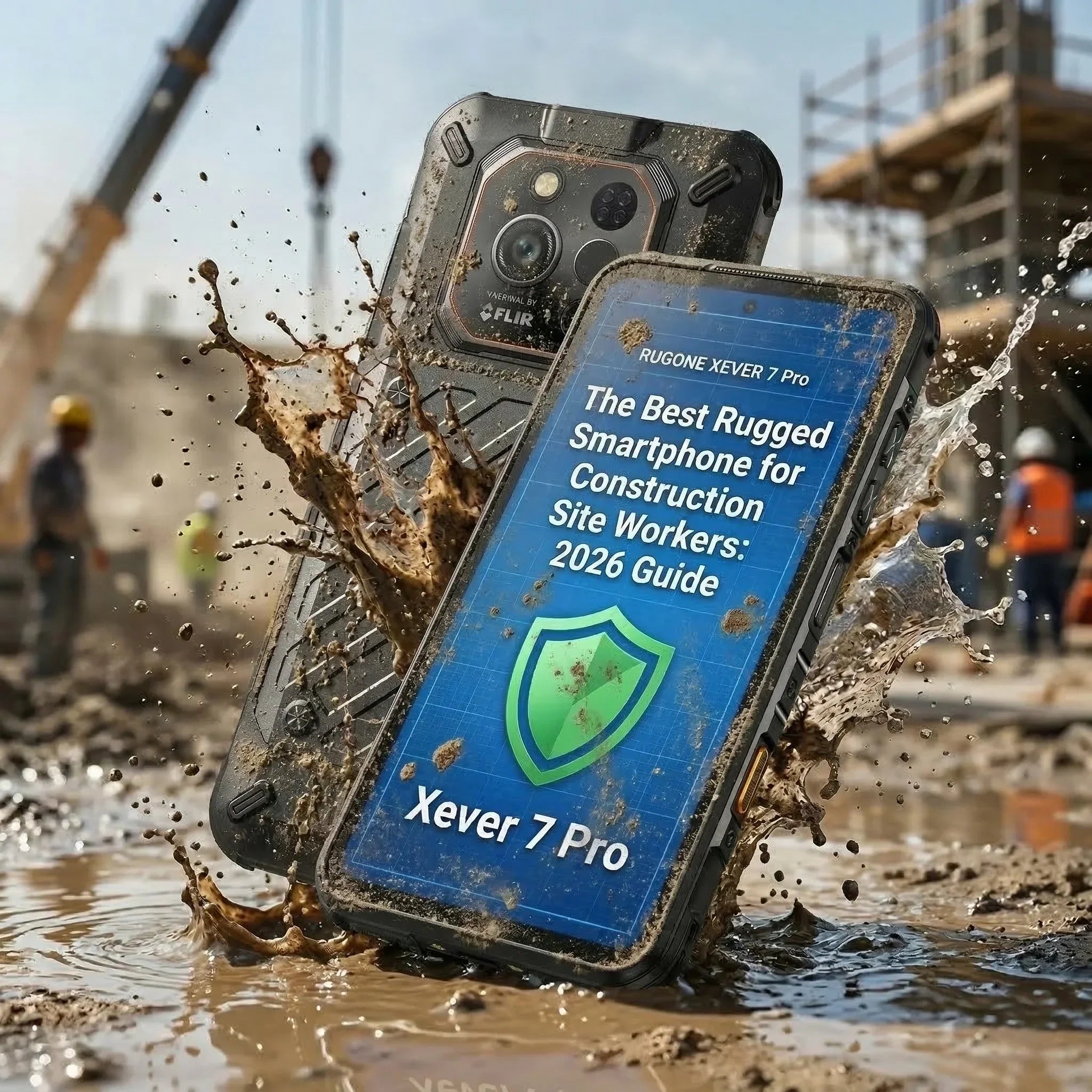
Construction workers operate in some of the most demanding environments a smartphone can face: concrete dust, accidental drops, water exposure, full-shift battery drain, and the need to communicate...
Construction sites demand more than just a standard phone case. The ideal rugged smartphone for builders and contractors must feature IP69K waterproof ratings to withstand high-pressure washing, dr...
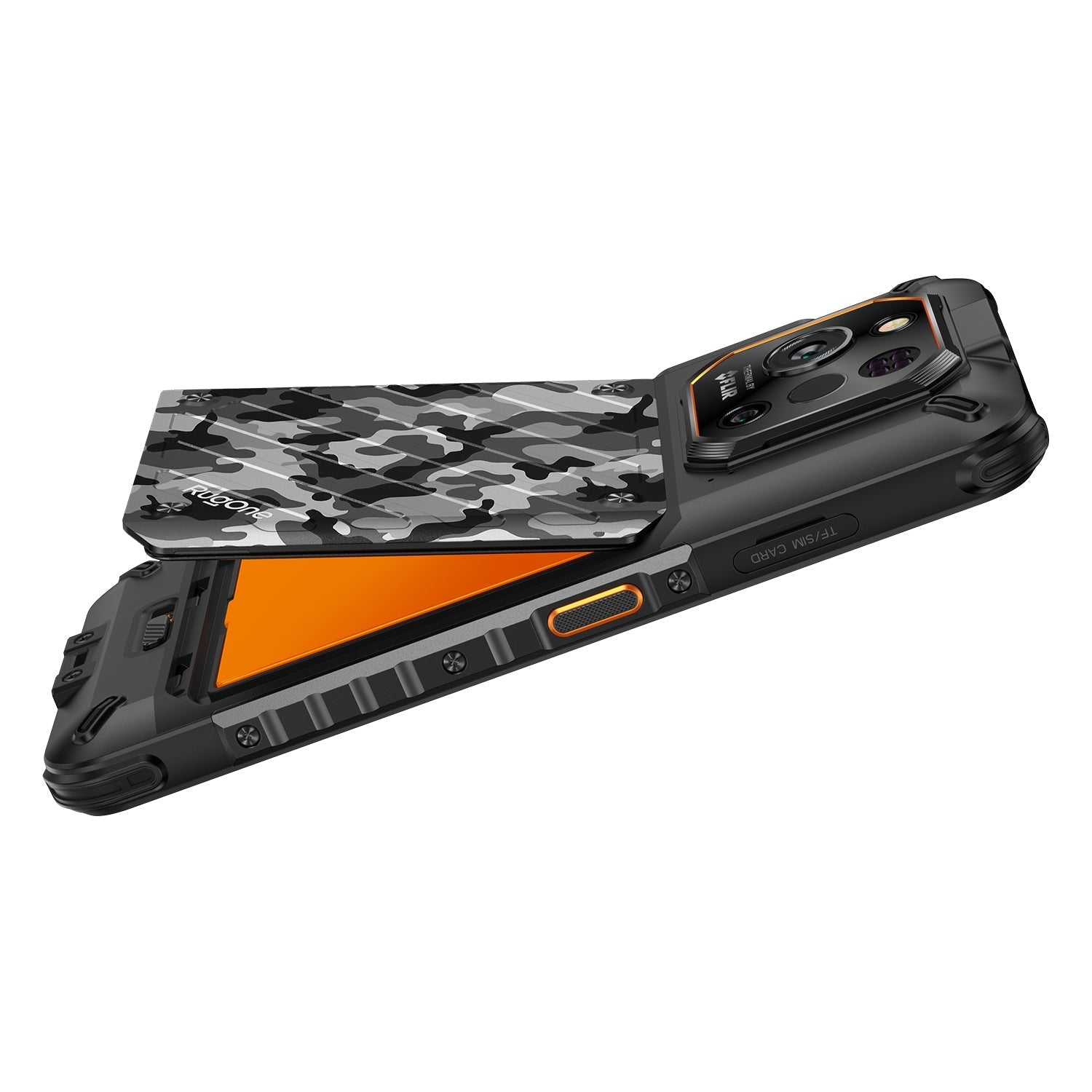
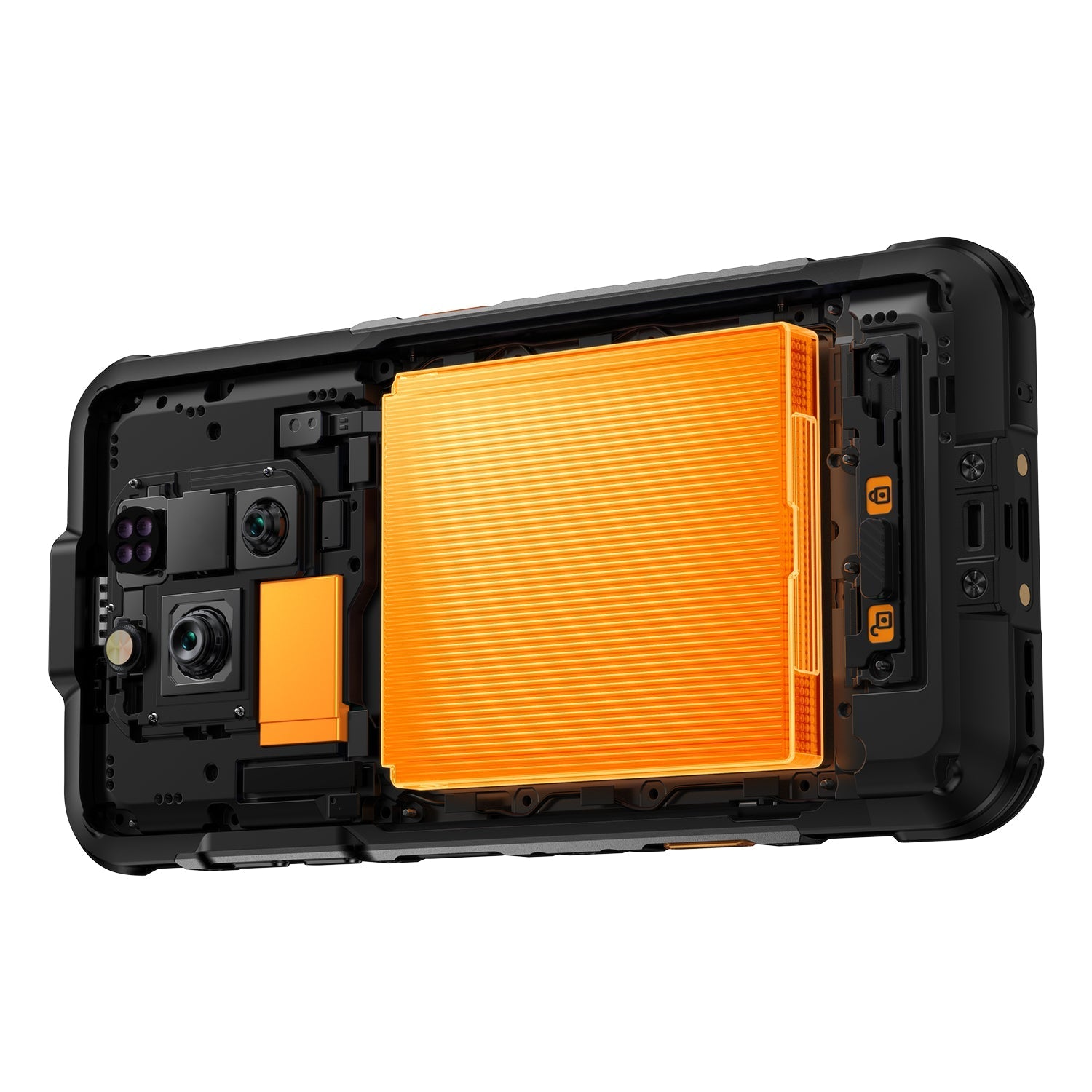
For professional outdoor and mission-critical scenarios, battery endurance is no longer just about capacity size. This article examines why dual-battery architecture—combining a removable main batt...
For field professionals, a "dead battery" isn't just an inconvenience—it's a break in data continuity. This article explores the technical definition of hot-swappable batteries, the role of interna...
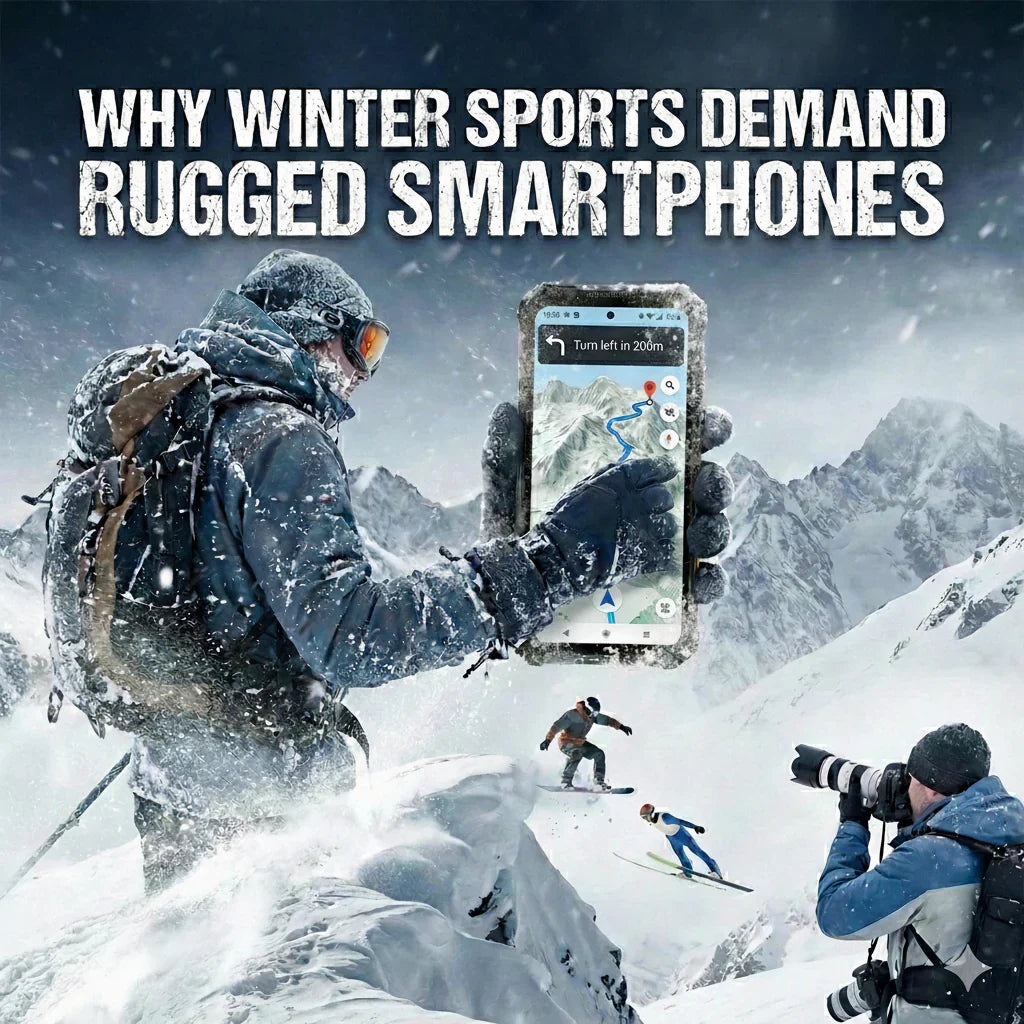
Winter sports expose smartphones to extreme cold, moisture, and impact forces. Standard consumer phones are optimized for daily comfort and aesthetics, not sub-zero reliability. Rugged smartphones ...
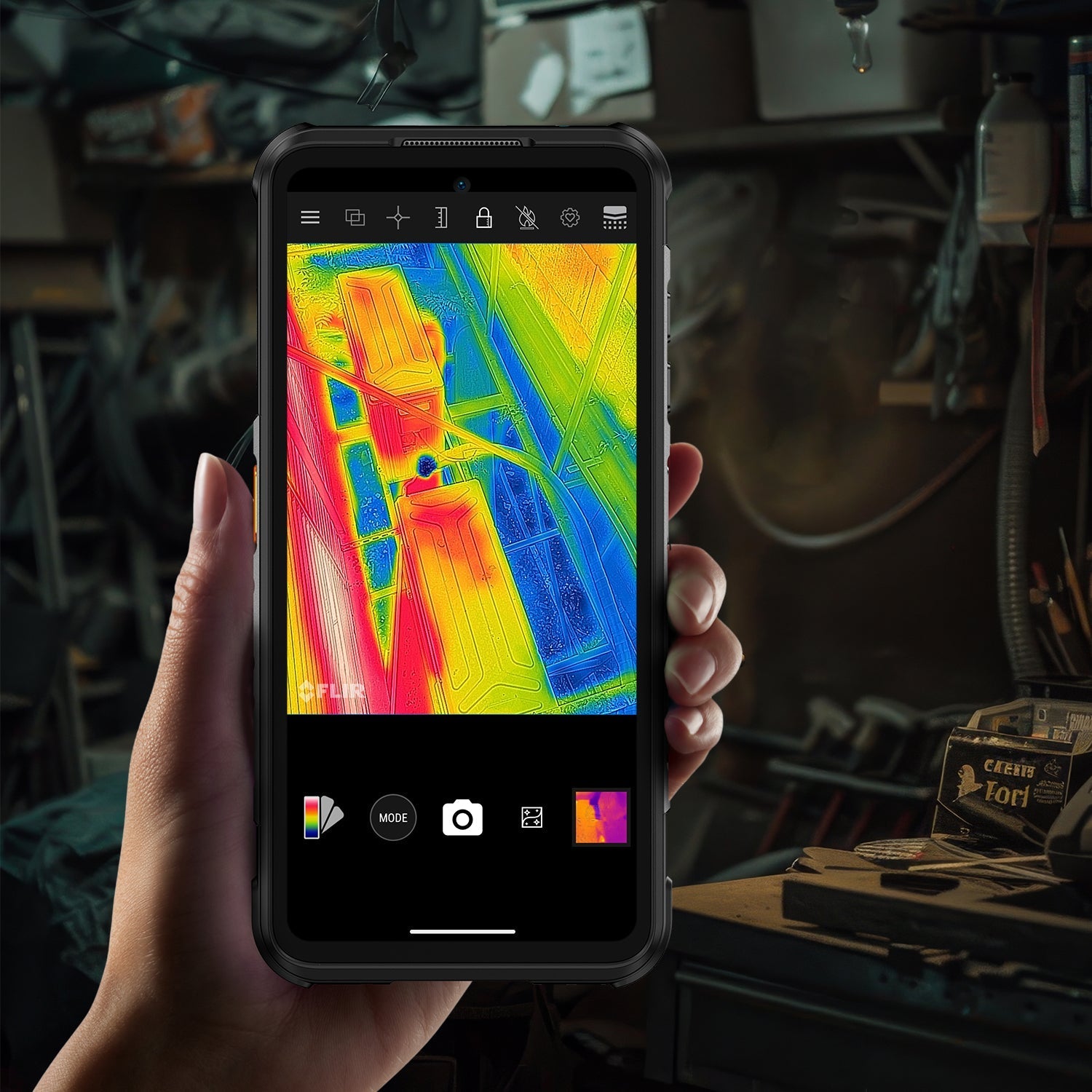
Is a smartphone capable of professional thermal inspections? We analyze how the RugOne Xever 7 Pro utilizes the FLIR Lepton 3.5 sensor to replace traditional tools in HVAC, electrical maintenance, ...
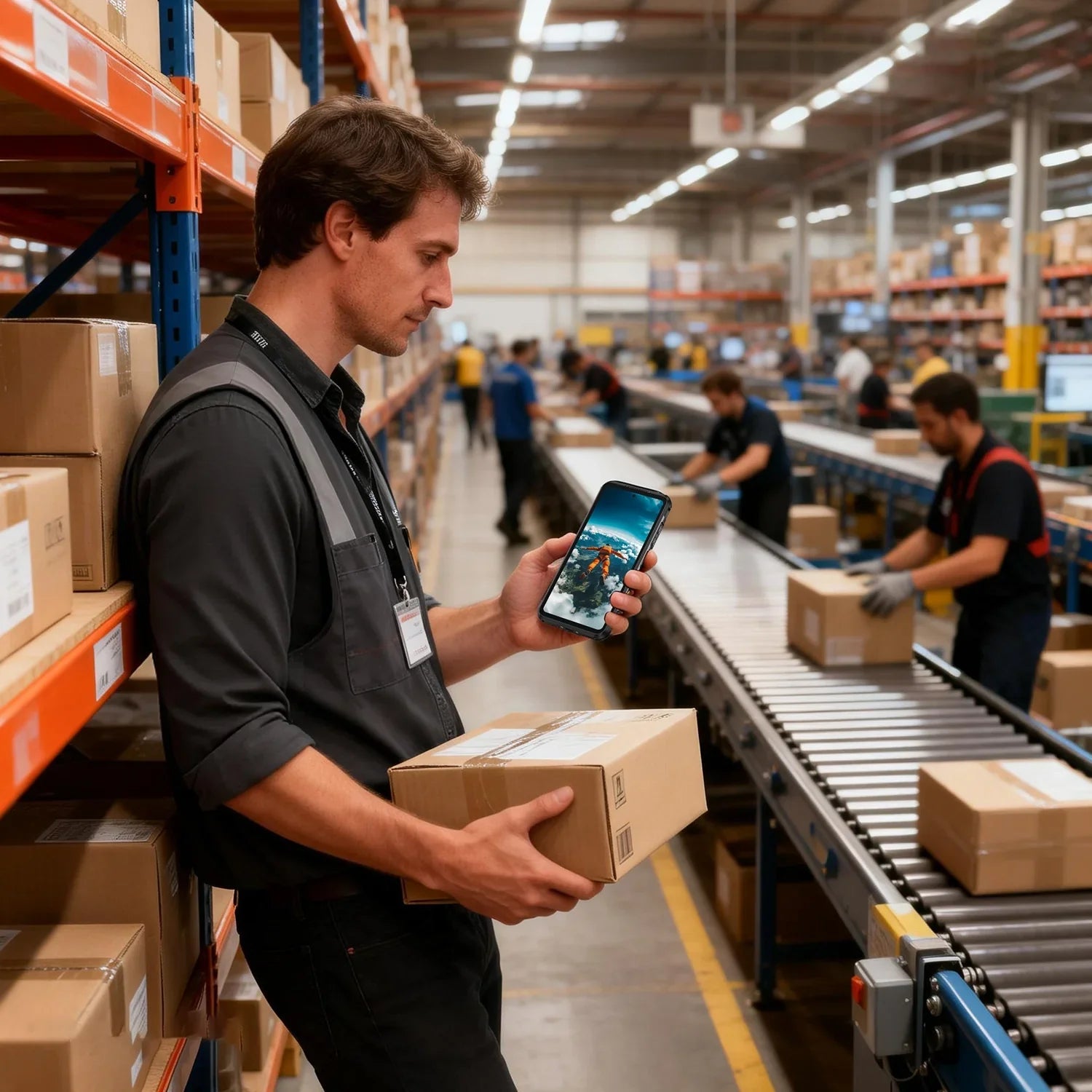
At 7:30 a.m., a courier on a motorcycle pulls over in the rain, trying to confirm a delivery—his phone screen jumps wildly under wet gloves.
1. Industry Context: More Than Just "Delivery" — It's a...

 Xever 8
 Xever 7 Pro
 Xever 7
 Xlink 7
 Charging Station (Xever 8 Series)
 Charging Station (Xever 7 Series)