

As the world turns its attention to the 2026 Winter Olympics, athletes are pushing the boundaries of human performance in extreme environments. But alongside skiers, snowboarders, and event staff, technology itself is undergoing an endurance test.
High-altitude terrain, sub-zero temperatures, moisture, and high-speed impacts create a hostile operating environment for consumer electronics. For professionals working winter events—and for serious enthusiasts on the slopes—the question is no longer about having a smartphone.
It is about whether that device can be trusted when conditions turn unforgiving.
Why do winter sports place far greater demands on smartphones than everyday use?
The answer lies in the physics of cold weather, battery chemistry, moisture, and mechanical stress.
The Engineering Challenge: How Winter Environments Attack Electronics
From an engineering perspective, winter sports create a perfect storm of stress factors that most consumer smartphones were never designed to withstand.
Extreme Cold & Battery Chemistry
Standard lithium-ion batteries rely on chemical reactions to generate power. In freezing temperatures, internal resistance increases significantly, preventing the battery from delivering stable voltage to the processor.
As a result, phones may shut down suddenly even when the battery indicator still shows 30–40% charge.
In practice, this leads to unexpected shutdowns during navigation, photography, or emergency communication.
Thermal Shock & Internal Condensation
Rapid transitions from cold outdoor environments (e.g., -10 °C) to warm indoor spaces (e.g., +20 °C ski lodges) cause thermal expansion and contraction. More critically, condensation forms inside devices that lack industrial-grade sealing.
Over time, this moisture leads to corrosion on internal components and camera modules.
In practice, this results in long-term reliability loss and camera degradation.
Gloved Operation Constraints
Capacitive touchscreens detect the electrical properties of bare fingertips. Thick winter gloves disrupt this interaction, making standard displays unresponsive in cold environments.
In practice, users must remove gloves, increasing exposure to frostbite and slowing critical actions.
Impact & Vibration
Winter sports involve speed, ice, and hard-packed snow. A fall on a slope generates G-forces comparable to dropping a phone onto concrete.
Glass-front-and-back smartphone designs offer little shock absorption under these conditions.
In practice, a single fall can result in catastrophic structural failure.
Common Failures of Standard Smartphones in Winter
Many winter users experience smartphone failures that are not manufacturing defects, but design limitations caused by optimization for thinness, weight, and aesthetics rather than durability.
Typical failure scenarios include:
-
“Cold Death”: The phone powers off immediately when removed from a pocket.
-
Phantom Touches: Snow or moisture causes erratic screen behavior.
-
Lens Fogging: Internal condensation ruins photos and video footage.
-
Structural Failure: A slip on ice shatters glass panels, rendering the device unsafe or unusable.
RugOne Engineering: Designed for Conditions, Not Convenience
RugOne smartphones are engineered with a different philosophy: field reliability over office comfort. Each design decision directly addresses common winter failure points.
1. Low-Temperature Power Stability
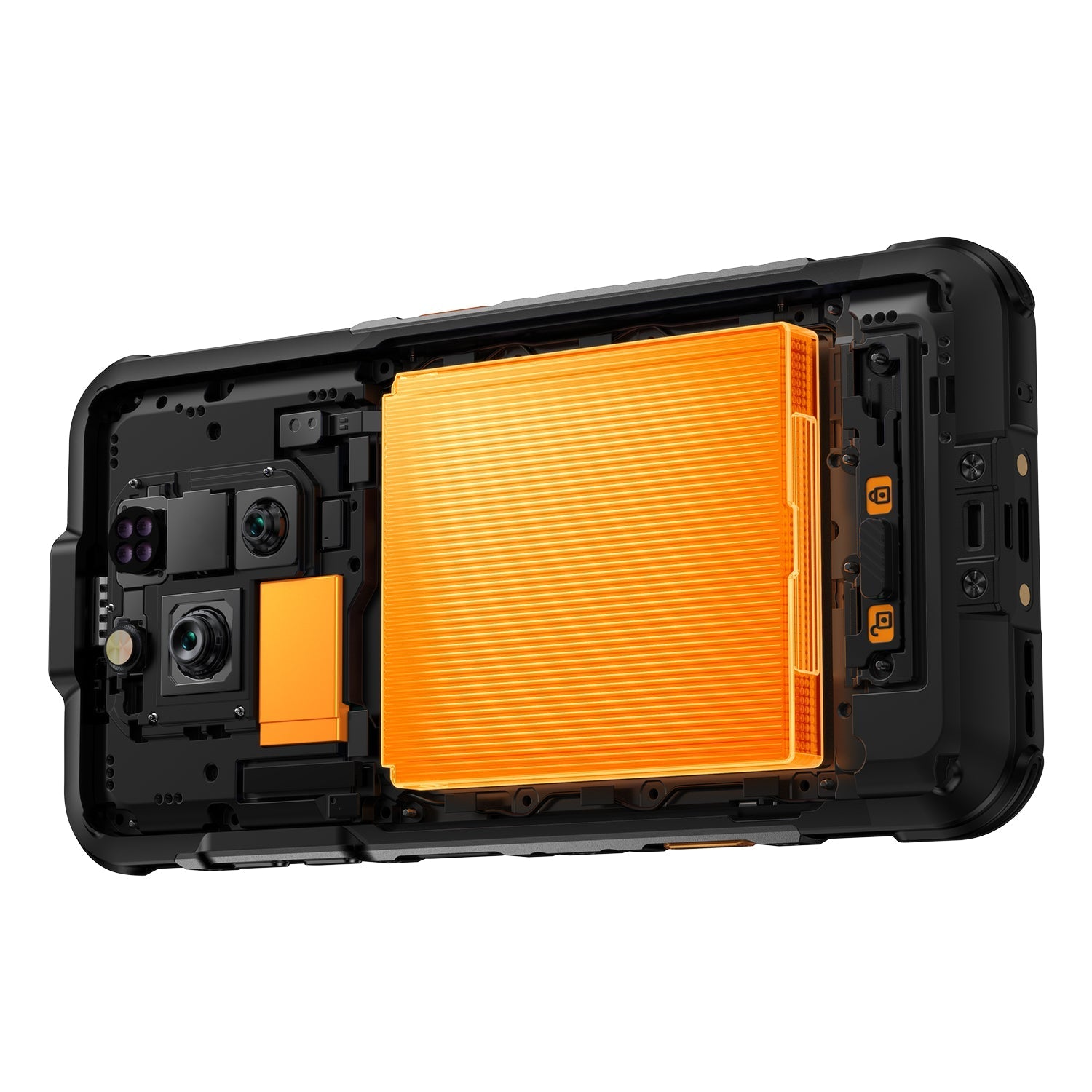
RugOne devices use battery management systems optimized for extended thermal ranges. Firmware algorithms account for voltage sag in cold environments, allowing the device to remain operational when standard phones initiate protective shutdowns.
This directly addresses sudden power loss caused by cold-induced battery instability.
2. IP68 & IP69K Sealing
RugOne phones are certified to IP68 and IP69K standards, ensuring protection against dust, snowmelt, high-pressure water, and condensation.
This prevents internal moisture ingress during snow exposure and rapid temperature transitions.
3. Reinforced Structural Integrity
Instead of fragile glass backs, RugOne phones feature reinforced frames, shock-absorbing corners, and rubberized exteriors designed to dissipate impact energy.
This structural approach protects internal components during falls on ice or hard-packed snow.
4. Glove Mode & Wet Touch Technology
Display controllers are tuned for high sensitivity. With Glove Mode enabled, users can operate the phone while wearing insulated gloves or with wet fingers.
This allows calls, navigation, and photography without exposing hands to extreme cold.
Real-World Use Cases for Rugged Smartphones in Winter
Scenario A: The Backcountry Skier
The Need: Navigation and safety.
Backcountry skiers rely on GPS where cellular coverage is limited. A phone that shuts down due to cold can remove access to navigation and emergency contacts.
The Technical Solution:
With high-density battery cells and cold-resistant firmware, a RugOne device mitigates the voltage drop common in freezing temperatures. Cold-resistant battery systems and extended GPS reliability ensure continuous tracking, helping users retrace routes or signal for help in deteriorating weather.
Scenario B: The Winter Event Photographer
The Need: Capture and continuity.
Moments happen fast on the slopes. Removing gloves to unlock a phone often means missing the shot.
Operational Capability:
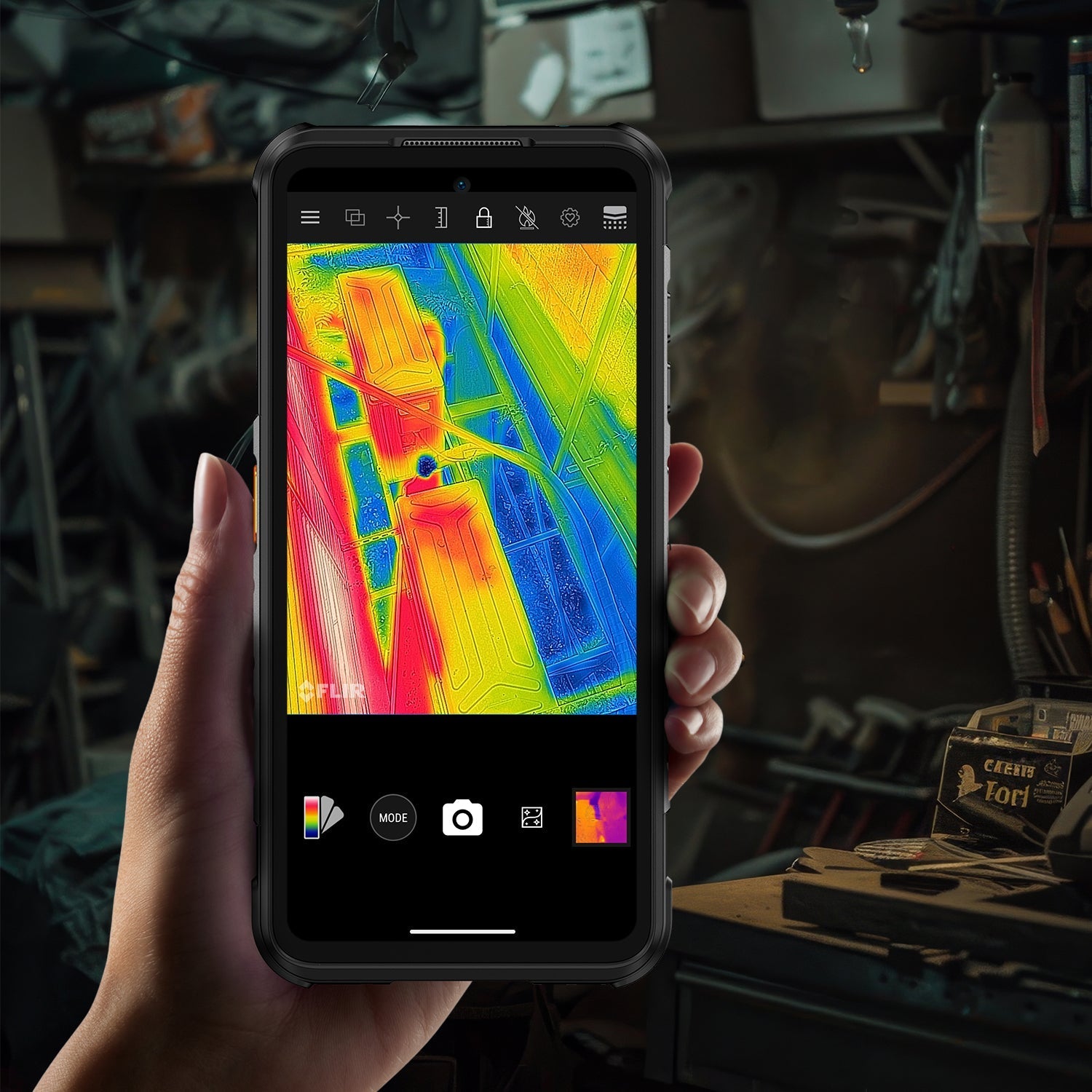
Dedicated physical camera buttons and Glove Mode allow instant photo and 4K video capture without removing gloves—even in snow spray conditions.
Scenario C: Event Staff & Logistics Teams
The Need: Constant communication.
Winter event staff work long outdoor shifts and rely on Push-to-Talk (PTT) communication.
Structural Durability:
RugOne devices are built with a reinforced industrial chassis designed to absorb impact energy from drops on hard-packed ice. Programmable side keys enable instant PTT access, while rugged construction eliminates the need for bulky protective cases.
FAQ:
Can smartphones work reliably in sub-zero temperatures?
Most consumer smartphones struggle in sub-zero temperatures due to lithium-ion battery limitations. Cold increases internal resistance, causing voltage drops that trigger shutdowns. Rugged smartphones are engineered with thermal-aware power management systems to maintain reliability in freezing conditions.
Why do batteries drain faster in cold weather?
Batteries do not lose charge faster; cold temperatures slow chemical reactions inside lithium-ion cells. This makes the battery appear depleted or forces protective shutdowns. Cold-optimized rugged phones help mitigate this effect.
Is a rugged smartphone necessary for winter sports?
For casual use, a standard phone may suffice if kept warm. However, for professional athletes, outdoor workers, and winter event staff, rugged smartphones are recommended due to their resistance to cold, moisture, impact, and glove-operation constraints.
What makes RugOne suitable for winter environments?
RugOne smartphones feature IP68/IP69K sealing, glove-friendly displays, reinforced structures, and cold-optimized power systems—prioritizing reliability and connection continuity where standard smartphones often fail.
Conclusion
When temperatures drop and terrain becomes unforgiving, the priorities of technology shift.
In winter sports and cold-weather operations, reliability outweighs slim design and aesthetics.
While consumer smartphones struggle against the physics of cold, rugged smartphones are engineered for these exact conditions.
For cold-weather sports and professional winter environments, rugged smartphones are not a luxury — they are a reliability requirement.