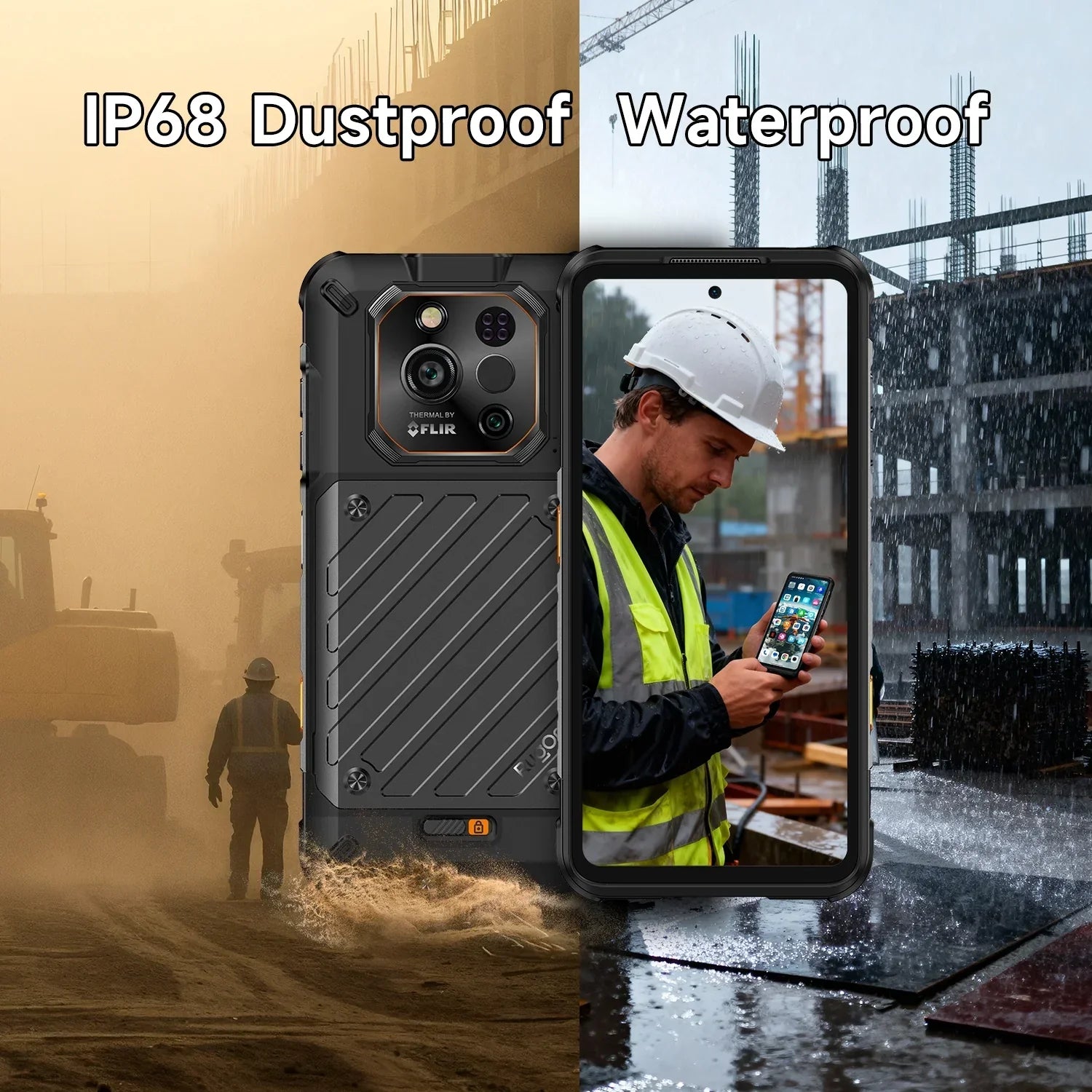
 Xever 8
 Xever 7 Pro
 Xever 7
 Xlink 7
 Charging Station (Xever 8 Series)
 Charging Station (Xever 7 Series)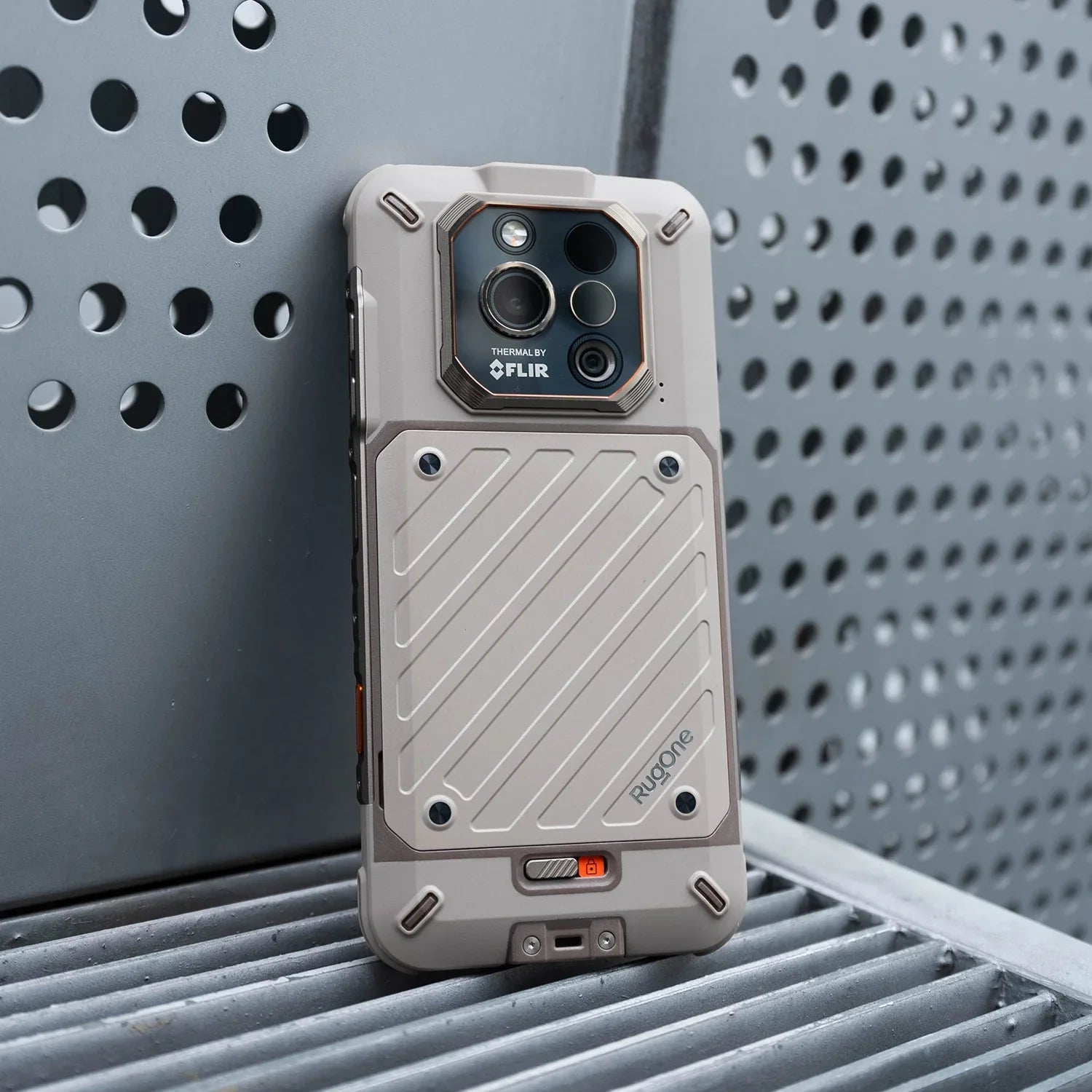
1. Engineering Science: The Three Physical Sources of "Bulk"
The thickness of a rugged phone stems primarily from its unique Protective Layering System.
-
Internal Suspension Frame: While standard phones fix components directly onto a thin mid-frame, rugged phones utilize a "skeleton" design. This usually involves a high-strength magnesium-aluminum or titanium alloy roll cage. A specific Buffer Zone must be maintained between the internal components and the outer shell to absorb kinetic energy during a fall.
-
Multi-Sealing System: To achieve IP68 or IP69K ratings, the chassis joints require wider and thicker O-rings (rubber gaskets). Furthermore, interfaces like USB ports and SIM slots require reinforced waterproof plugs or specialized nano-coated chambers, which naturally increase the depth of the device.
-
Reinforced External Casing: Standard phone shells are often around 0.5mm thick. Rugged phones use a combination of high-density TPU (Thermoplastic Polyurethane) and PC (Polycarbonate) dual-injection molding, often exceeding 2mm. This thickness is the physical baseline for resisting puncture impacts and preventing shell cracking.
2. The Reality Check: Why "Slim Logic" Fails in Industrial Scenarios
In an office, slim means portable; but at a 50°C construction site or a -30°C mountain peak, slim usually means fragile.
-
Thermal Capacity vs. Efficiency: Thin phones rely on ultra-thin vapor chambers (VC) that hit thermal limits quickly under direct sunlight. Rugged phones utilize their larger surface area and internal volume for better heat dissipation, ensuring the system doesn't throttle or shut down in harsh environments.
-
The Leverage Effect & Screen Breakage: The thinner a chassis, the more susceptible it is to the "leverage effect." When dropped or pressured, a slim body undergoes micro-deformations—the leading cause of cracked glass. Increased Rigidity through thickness is the most effective way to protect the display.
3. The RugOne Perspective: Where We Refuse to "Thin Out"
At RugOne, our R&D follows the "Reliability First" principle. There are three areas where we refuse to compromise on thickness:
-
High-Capacity Battery & Safety Packaging: Field workers require massive endurance. Rugged phones often house 8,000mAh to 10,000mAh+ batteries. Since energy density is limited by physics, high capacity equals high volume. More importantly, we add reinforced internal bulkheads to prevent battery compression or fire during severe impacts.
-
Raised Bezels: You’ll notice rugged phone frames sit 1–2mm higher than the screen. This ensures that during a face-down drop, the glass never makes contact with the ground. These 2mm of thickness increase screen survival rates by over 80%.
-
Tactile Mechanical Buttons: To support Glove Mode, buttons must have significant travel and haptic feedback. A slim chassis cannot accommodate the mechanical depth required for these heavy-duty switches.
4. Comparison: Rugged Phone vs. Standard Smartphone
The difference between rugged phones and standard smartphones is not cosmetic — it is structural.
|
Feature |
Rugged Phone (RugOne Series) |
Standard Flagship Phone |
|
Thickness |
14mm - 18mm |
7mm - 8.5mm |
|
Average Weight |
300g - 450g |
170g - 210g |
|
Drop Resistance |
1.5m - 2.0m (Concrete) |
< 0.8m (Lab Plywood) |
|
Operating Temp |
-30°C to 60°C |
0°C to 35°C (Typical) |
|
Primary Materials |
Aviation Aluminum + TPU + PC |
Glass + Thin Aluminum Alloy |
5. Conclusion: Bulk is Not a Flaw, It’s "Engineering Redundancy"
The thickness of a rugged phone is essentially Engineering Redundancy. It sacrifices the "barely-there" feel in a pocket for absolute reliability in the field.
If you are an engineer, a first responder, or an outdoor explorer, you don't need a phone that feels invisible—you need a tool that is "indestructible" when it matters most. Weight and thickness are the boundaries of safety that RugOne provides to its users.
6. FAQ
Q1: Can a rugged phone be made thinner by using a protective case instead?
A: No. Rugged protection is built-in. While a thick case improves drop resistance for a standard phone, it cannot replicate the internal suspension, specialized port sealing, or thermal management of a purpose-built rugged device.
Q2: Why not use Carbon Fiber to reduce weight?
A: While light, carbon fiber lacks the toughness (impact absorption) required for rugged use. It tends to shatter under high-velocity impact. TPU and metal alloy combinations offer better elasto-plasticity for absorbing shock.
Q3: Does the thickness interfere with 5G or GPS signals?
A: Actually, the opposite is true. The larger volume allows for better Antenna Clearance, reducing interference from the user's hand and providing more stable signal gain in remote areas.
Q4: Is a heavier phone harder to charge?
A: Not at all. The extra internal space allows for better heat management during high-wattage fast charging, ensuring the battery stays cool and maintains a longer cycle life compared to cramped, thin devices.