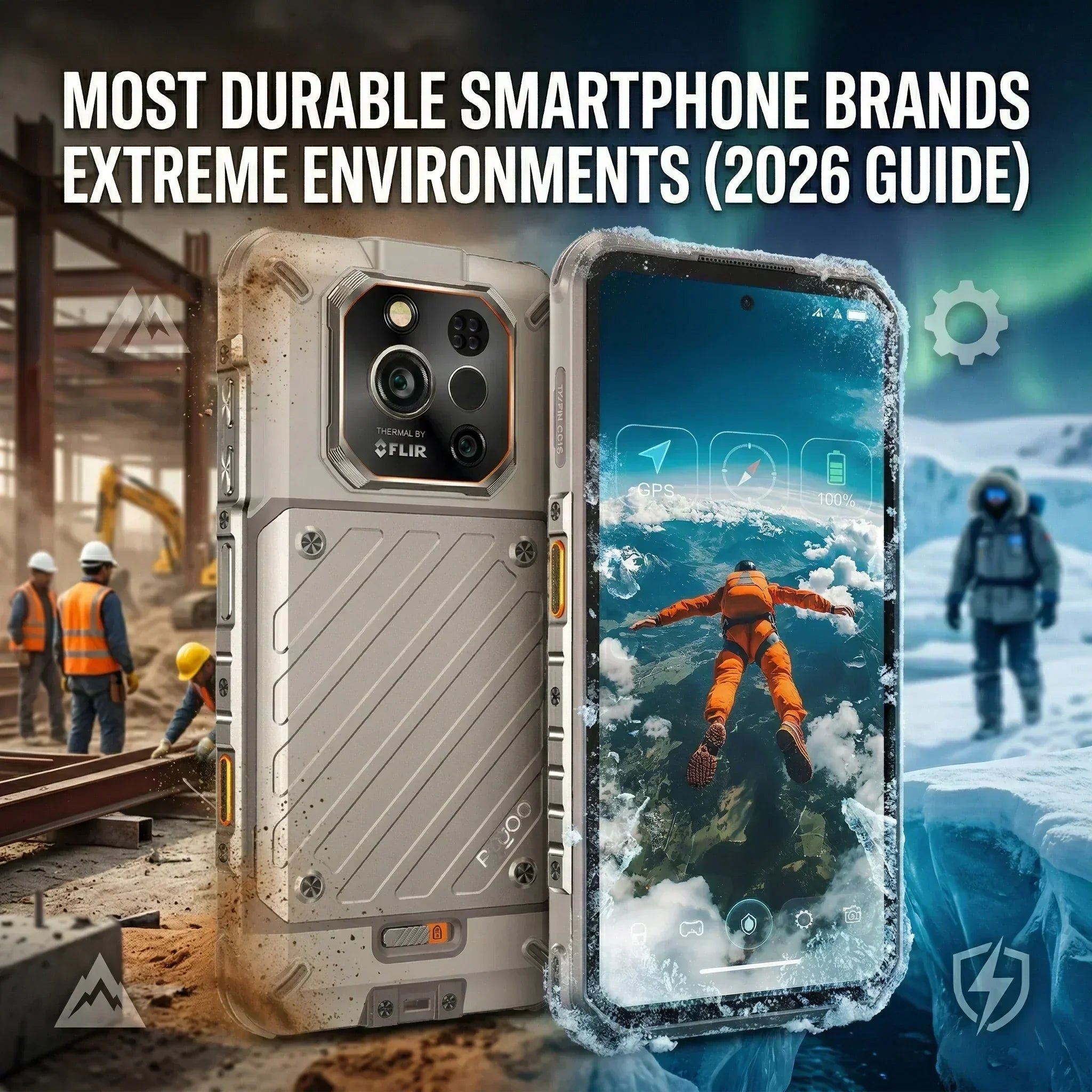


TL;DR The best rugged smartphones for outdoor use in 2026 combine four things: certified durability (IP68/IP69K waterproofing plus MIL-STD-810H drop and temperature testing), long or swappable battery life for off-grid trips, high-brightness displays with multi-satellite GPS for accurate navigation, and built-in outdoor tools like barometers and altimeters. Beyond specs, camera performance has closed the gap with standard flagships, and buying direct from the manufacturer remains the safest way to guarantee authenticity and warranty coverage.
Best Rugged Smartphones for Outdoor Use (2026 Guide)
Whether you are hiking remote mountain trails, working in forestry or construction, or participating in extreme outdoor sports, your smartphone becomes an essential survival tool. Unfortunately, most standard smartphones are not built for these conditions. Water exposure, accidental drops, dust, and extreme temperatures can quickly damage conventional devices.
This is why many professionals and outdoor enthusiasts specifically look for rugged smartphones designed for outdoor use. Modern rugged phones combine durability, long battery life, and advanced navigation features to ensure reliable performance in environments where ordinary phones fail.
Below are the features that actually matter when choosing the best rugged smartphone for outdoor use in 2026 — and what to know before you buy one.
1. Certified Durability: Why Rugged Phones Are Different
A rugged smartphone is not simply a regular phone with a protective case. These devices are engineered with reinforced internal structures, sealed components, and specialized materials designed to withstand harsh environments.
When comparing rugged smartphones, two certifications matter most.
IP68 and IP69K Waterproof Protection
These ratings indicate strong resistance to dust and water exposure. Typical protection includes complete sealing against dust intrusion, the ability to survive prolonged water immersion, and resistance to high-pressure water jets. For outdoor users, these ratings mean the phone can survive heavy rain, muddy environments, or an accidental drop into water. For a full breakdown of exactly what separates each rating, see our guide to IP67 vs IP68 vs IP69K.
MIL-STD-810H Military Durability
MIL-STD-810H is a military testing standard used to evaluate equipment durability. Phones tested under this certification are subjected to repeated drop tests, extreme temperature changes, vibration and shock, and humidity and dust exposure. Devices with this certification are designed to maintain functionality even after severe environmental stress.
Structural Shock Resistance
Beyond formal certifications, durable smartphones typically include reinforced corners and shock-absorbing materials that reduce the force transferred to internal components during accidental drops — particularly important for workers who frequently operate tools or equipment while carrying their phones.
2. Battery Life for Off-Grid Adventures
Battery life is one of the most critical factors when choosing a rugged smartphone for outdoor use. Navigation apps, emergency communication, photography, and location tracking all consume significant power, and in remote environments where charging options are limited, battery reliability becomes essential.
| Battery Capacity | Typical Usage Scenario |
|---|---|
| 6,000–8,000 mAh | Outdoor daily use |
| 10,000–13,000 mAh | Multi-day travel or field work |
| 15,000 mAh+ | Remote expeditions |
The Removable Battery Advantage
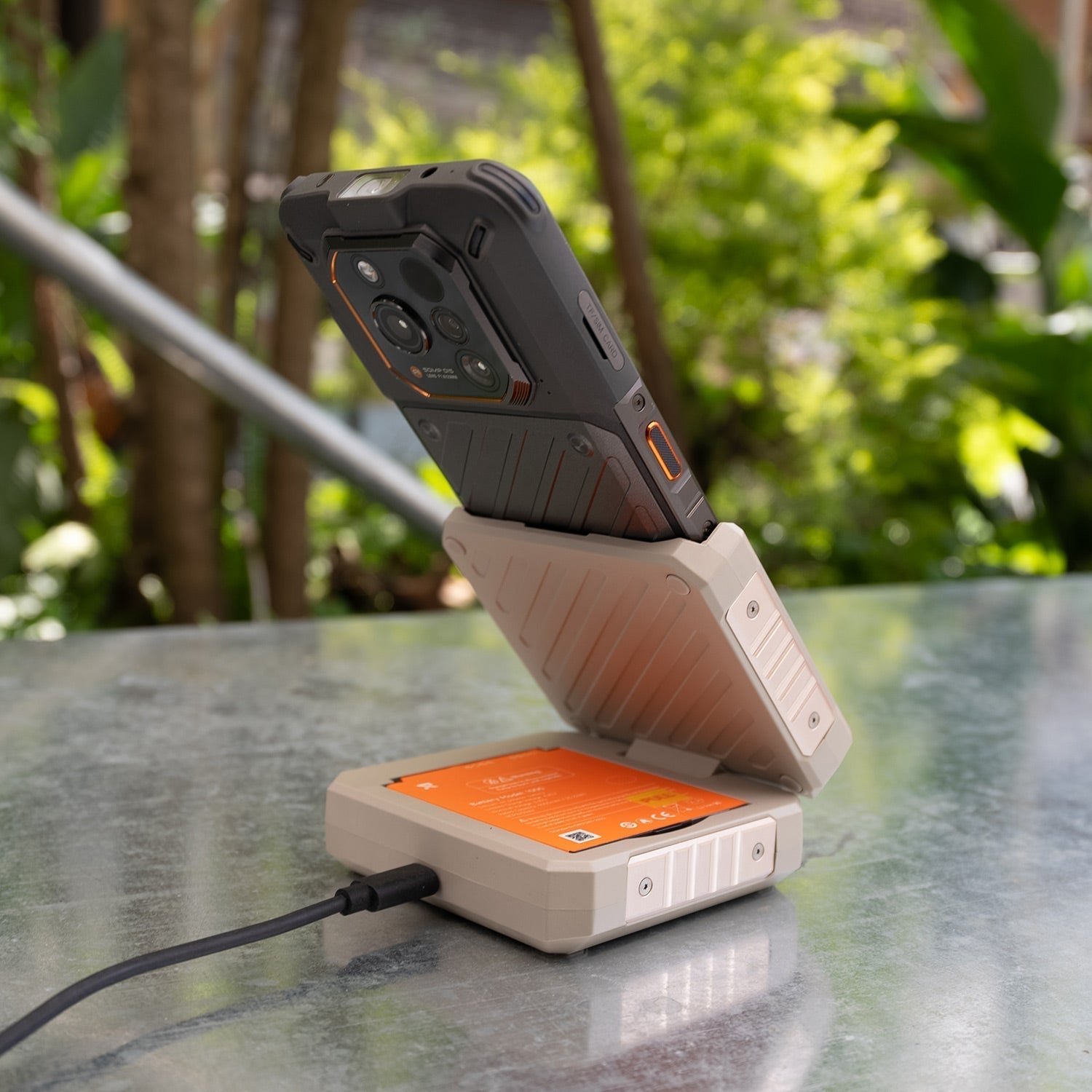
Instead of relying only on a large internal battery, some rugged phones now support removable battery systems that let users carry fully charged spare batteries and swap them instantly when needed. Modern rugged devices — including models developed by RugOne — use swappable battery designs that allow power replacement within seconds, giving hikers, field researchers, and expedition teams a reliable backup power solution far from charging infrastructure. See our full breakdown of why removable battery phones are making a comeback in 2026.
3. Sunlight Visibility and Accurate Navigation
A smartphone that cannot be used outdoors under bright sunlight is of little value on a trail or job site. The best rugged smartphones typically include high-brightness displays designed for outdoor readability, exceeding standard smartphone brightness levels so maps, messages, and navigation tools stay clear under direct sunlight.
Navigation accuracy matters just as much. Reliable outdoor phones usually support multiple satellite positioning systems simultaneously — GPS, GLONASS, Galileo, and BeiDou — which improves location accuracy in challenging environments such as forests, mountains, or deep valleys.
4. Built-In Outdoor Tools
Modern rugged smartphones often function as multi-purpose outdoor equipment, not just communication devices. Common outdoor features include barometers for monitoring atmospheric pressure changes, altimeters for measuring elevation during climbs, compass sensors for navigation, and high-volume speakers for emergency alerts or noisy environments. These additional tools transform rugged smartphones into versatile equipment for outdoor exploration and field work.
5. Camera Performance: No Longer an Afterthought
Historically, rugged devices focused almost entirely on durability, often sacrificing camera performance. That gap has narrowed significantly in recent years. Modern rugged smartphones may include high-resolution sensors (48MP to 108MP), low-light photography optimization, wide-angle cameras for outdoor landscapes, and protective lens structures to prevent scratching. Some rugged phones even integrate specialized imaging technologies such as thermal cameras or night-vision sensors, useful for field inspections, search operations, or outdoor exploration.
6. Where to Buy Rugged Phones Safely
Once you know which features you need, the safest place to buy matters almost as much as the phone itself. There are three common purchasing channels:
- Official manufacturer websites — guarantees product authenticity, full warranty coverage, and access to product support, firmware updates, and accessories designed specifically for the device.
- Online marketplaces — allow buyers to compare prices and specifications across multiple manufacturers in one place.
- Outdoor technology retailers — specialized stores that curate devices specifically suited for extreme environments.
Prices vary depending on battery capacity, camera systems, and durability certifications, with the best discounts typically appearing during seasonal sales, product launch events, and outdoor equipment promotions. For a deeper walkthrough of how to verify sellers and avoid low-quality listings, see our guide on where to buy rugged phones online safely.
7. Switching to a Rugged Phone: How to Transfer Your Data
Switching to a rugged smartphone doesn't require complicated setup. Most Android devices support fast data transfer during initial setup, through any of three methods:
Cloud Backup — back up your existing phone to your Google account, sign in on your new device during setup, and restore apps, contacts, photos, and settings automatically.
Direct Phone Transfer — connect both phones using a USB-C cable, select "Copy apps and data" during device setup, and choose the categories you want to migrate.
Wireless Transfer — some devices allow wireless pairing between the old and new phone, transferring files through a secure local connection.
Regardless of the method used, it's always worth performing a backup before starting the migration process.
Choosing the Best Rugged Smartphone for Your Needs
Selecting the right rugged smartphone depends largely on the environment in which it will be used. Outdoor professionals, hikers, engineers, and explorers all face different environmental challenges. However, the most reliable rugged smartphones for outdoor use typically share several characteristics:
- Certified waterproof and dustproof protection (IP68/IP69K)
- Military-grade durability testing (MIL-STD-810H)
- Long battery life or removable battery systems
- High-brightness displays for outdoor visibility
- Precise multi-satellite navigation
- Camera systems that hold up to modern standards
By prioritizing these features, users can ensure their smartphone remains dependable even in remote environments far from power sources or repair services. Explore RugOne's rugged phone lineup: Rugged Phones.
Frequently Asked Questions About Rugged Smartphones
What makes a smartphone "rugged"? A rugged smartphone is designed with reinforced structures and sealed components that protect against water, dust, shock, and extreme temperatures.
Are rugged smartphones fully waterproof? Most rugged phones include IP68 or IP69K ratings, which provide strong water resistance. However, the exact depth and duration of water exposure vary by device.
Do rugged smartphones have better battery life? Yes. Rugged phones usually include larger batteries than standard smartphones, and some models also support removable battery systems for extended outdoor use.
Are rugged smartphones suitable for hiking and outdoor exploration? Yes. Rugged smartphones are widely used for hiking, camping, field research, and outdoor sports because they provide durable construction, reliable navigation, and longer battery life.
Where is the safest place to buy a rugged smartphone? Buying directly from the manufacturer's official website is the most reliable option — it guarantees authenticity, full warranty coverage, and access to firmware updates and accessories built specifically for that device.
Key Takeaways
Rugged smartphones are built for environments where traditional devices struggle to survive. By combining certified waterproof protection, military-grade durability, large or swappable battery systems, and precise navigation tools, these phones operate reliably in construction sites, remote outdoor areas, and extreme climates.
When choosing a durable smartphone, the most important factors to evaluate are battery capacity, durability certifications, camera capabilities, and the availability of a reliable, authorized purchase channel. For users who frequently operate in demanding environments, investing in a well-designed rugged smartphone provides both reliability and long-term convenience.
Explore RugOne's rugged phone lineup: Rugged Phones