

The Short Answer
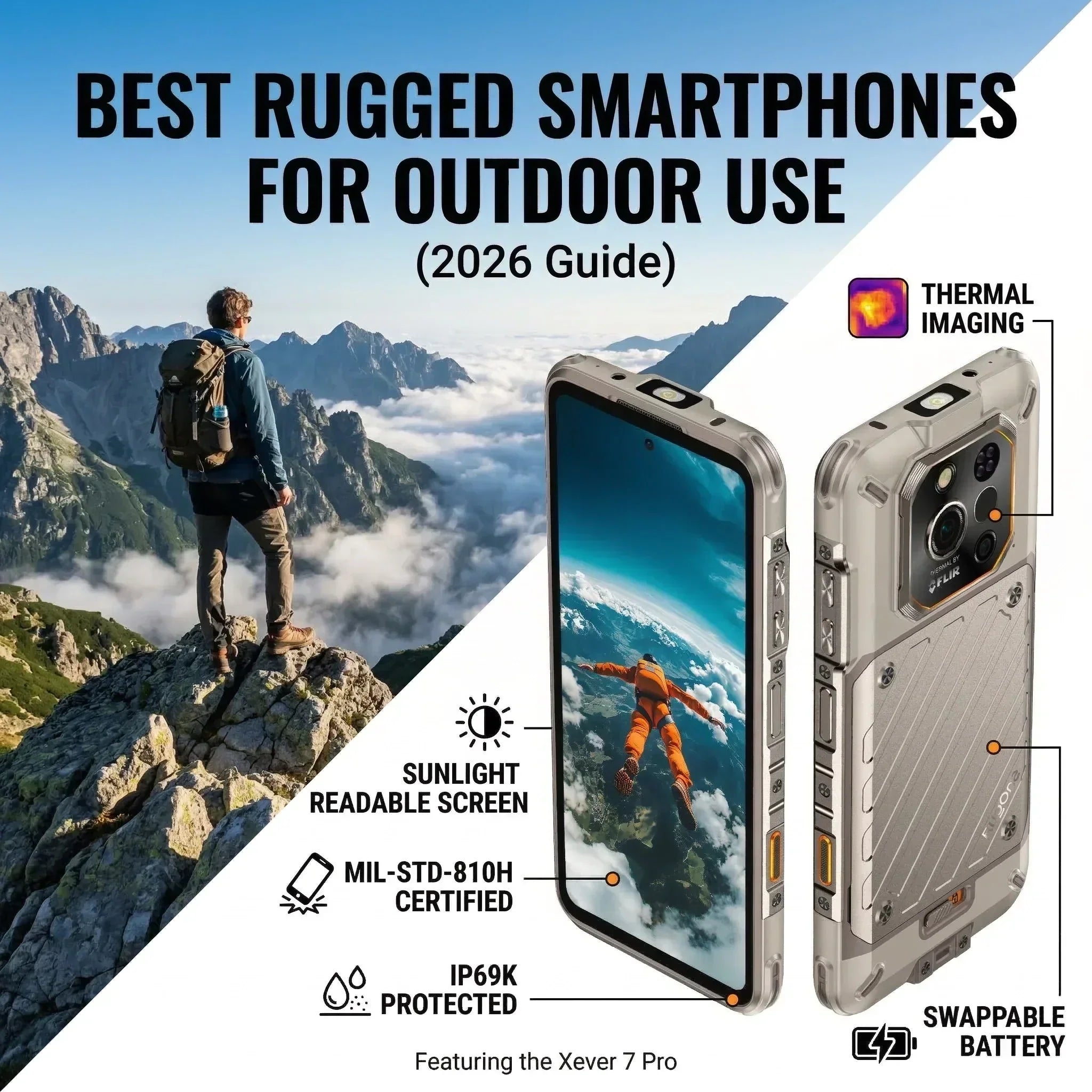
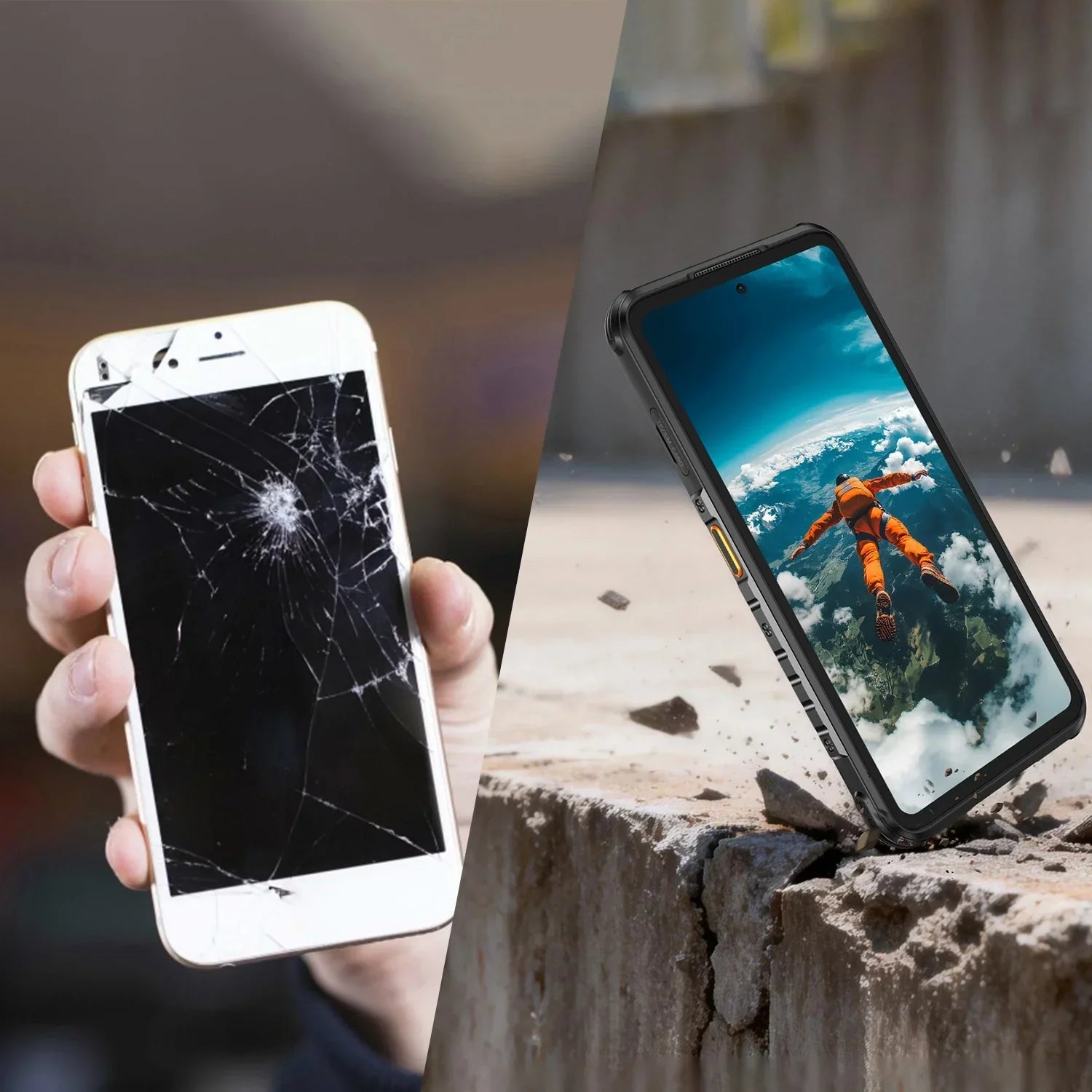
A Rugged Phone with a Removable Battery is a mobile device that combines military-grade protection (IP68/IP69K) with a modular power design. Unlike standard sealed smartphones, it allows users to manually swap the battery unit without tools.
In 2026, this design is no longer just about nostalgia—it is a critical requirement for maintainability and continuous operation. For outdoor professionals and enthusiasts, it solves the two biggest flaws of modern smartphones: limited lifespan due to battery degradation and the inability to instantly recharge in off-grid environments.
Industry Context: The Shift Back to User Control
For the past decade, the mobile industry forced users to choose between "durability" and "replaceability." Most rugged phones opted for fully sealed designs with massive, non-removable batteries (often exceeding 10,000mAh). While these offered long runtime, they created significant drawbacks:
-
The "Brick" Factor: To compensate for sealed batteries, devices became excessively heavy (400g+), making them impractical for active use.
-
Planned Obsolescence: Once the built-in battery's chemical health degraded, the entire specialized device became e-waste, regardless of the processor or screen condition.
The 2026 Turning Point
Driven by practical field requirements and global "Right to Repair" trends (including EU battery regulations), the market is correcting itself. Industrial users and outdoor explorers are rejecting "disposable" hardware. They demand devices where the lifespan is dictated by the durability of the chassis, not the chemistry of the battery.
Key Scenarios: Why "Swappable" Beats "Big Battery"
RugOne has engineered its latest lineup around these specific high-demand scenarios where a removable battery is superior to a power bank or a massive sealed battery.
1. True "Zero Downtime" (The Instant 100%)
In search and rescue operations, long-distance trekking, or shift-based industrial work, waiting for a device to charge is a liability.
-
The Old Way: Tethering your phone to a power bank via a cable, which is fragile, restricts movement, and risks port damage from dust or water.
-
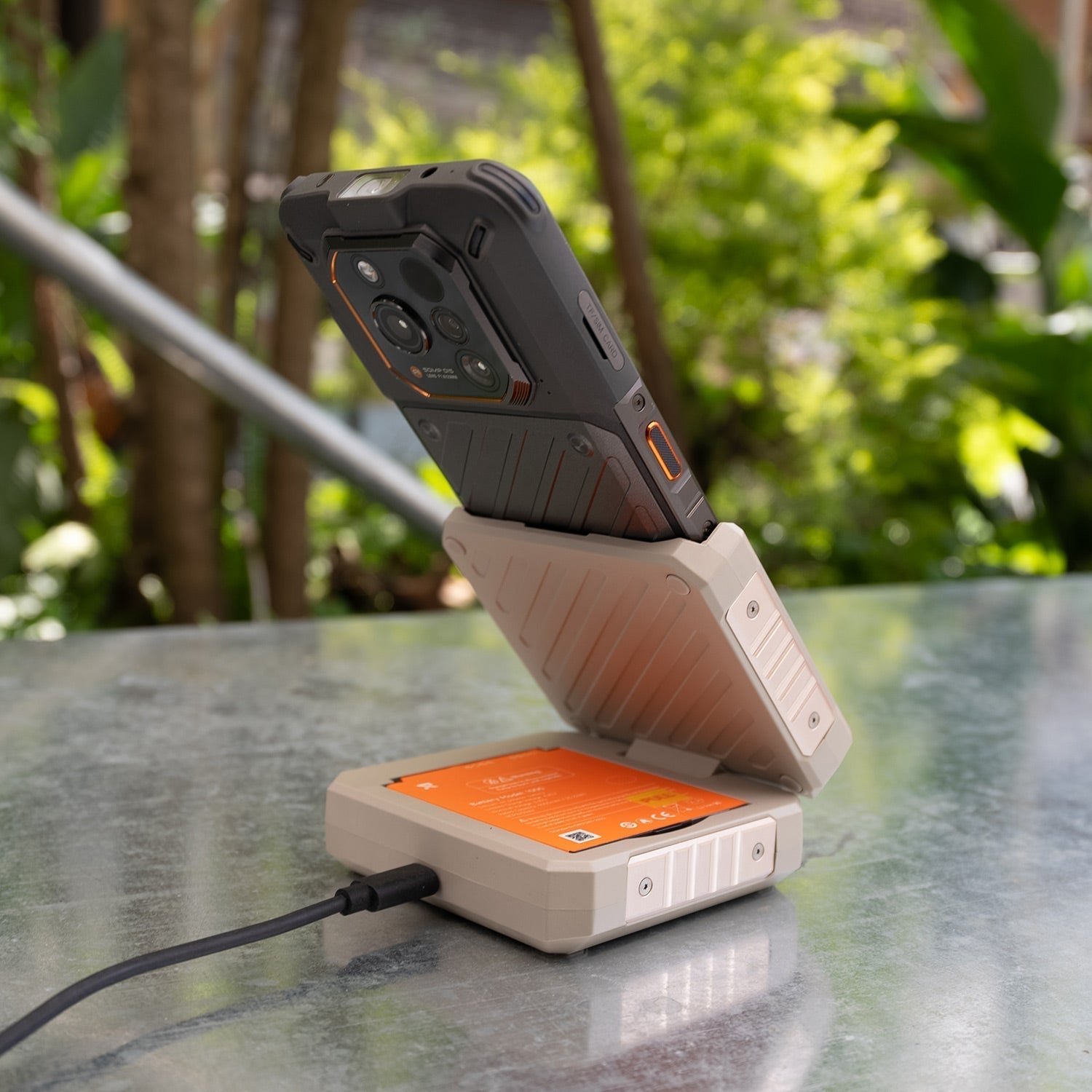
The RugOne Way: Swap the battery in 10 seconds. You go from 0% to 100% instantly, wirelessly, and continue moving.
2. Extreme Cold Survival
Lithium-ion batteries lose capacity rapidly in freezing temperatures. A sealed phone mounted on a handlebar or exposed to snow can die unexpectedly.
-
The Advantage: With a removable design, you can keep spare batteries in an inner pocket, warmed by body heat. If the phone shuts down due to cold, inserting a warm battery instantly revives the device—a feat impossible with sealed units.
3. Asset Longevity & TCO (Total Cost of Ownership)
For rational consumers, a phone is an investment. A rugged phone's physical shell often outlasts its battery by years. By enabling a simple ~$30 battery replacement, RugOne extends the device's effective lifecycle from the industry average of 2 years to 5+ years.
Engineering Spotlight: The "Sealed-Swap" Paradox
A common myth is that a removable battery compromises water resistance. RugOne challenges this with modern engineering.
Using a proprietary Lock-Tight™ Sealing Architecture, RugOne devices maintain full IP68/IP69K waterproofing even with a removable back cover. By utilizing high-compression silicone gaskets and a dual-locking mechanism, we ensure that "user-replaceable" no longer means "vulnerable."
Comparison: RugOne Design vs. Traditional Sealed Rugged Phones
For a clear perspective on why the industry is shifting, see the comparison below:
| Feature | RugOne (Removable Battery) | Traditional Sealed Rugged Phone |
| Power Refill Speed | Instant (10 seconds) | Slow (40–90 minutes charging) |
| Portability | Lightweight device + distinct spares | Heavy, bulky device (Single unit) |
| Waterproofing | IP68/IP69K (Physical Gasket Seal) | IP68/IP69K (Adhesive Seal) |
| Repairability | High (User-swappable battery) | Low (Requires heat gun/specialist) |
| Device Lifespan | 5+ Years (Refreshable power) | 2–3 Years ( dies with the battery) |
FAQ:
Q1: Are removable battery phones still available in 2026?
A: Yes. While rare in the general consumer market, they are making a strong comeback in the professional rugged sector. Brands like RugOne are leading this revival to meet the demands of users who require off-grid reliability.
Q2: Can a phone with a removable battery really be waterproof?
A: Absolutely. Modern gasket technology allows for a hermetic seal. As long as the back cover is correctly locked in place, RugOne phones are fully submersible and meet the same waterproof standards as sealed flagship phones.
Q3: Why not just use a power bank?
A: Efficiency and reliability. Charging via a power bank involves energy loss (heat) and requires a cable connection, which is a weak point in wet or dirty environments. A physical battery swap is 100% efficient and requires no cables.
Conclusion
In 2026, the definition of a "Pro" device has changed. It isn't about having the flashiest specs; it's about reliability and control. The return of the removable battery phone signifies a shift towards sustainable, practical technology.
For those who venture off the beaten path, RugOne offers the ultimate peace of mind: the power to keep going, indefinitely.
Explore RugOne's rugged phone lineup: Rugged Phones