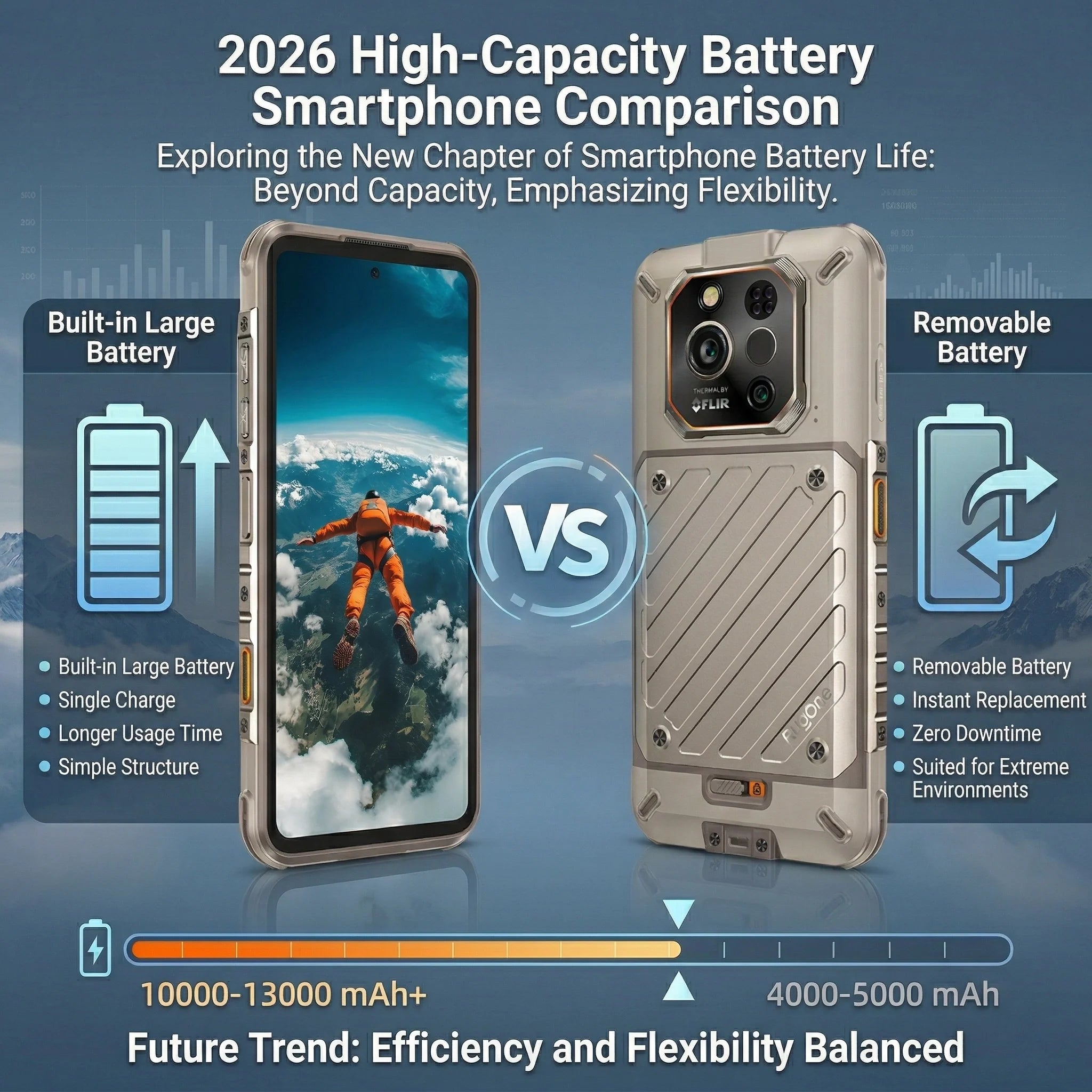
 Xsnap 7 Pro
 Xever 8
 Xever 7 Pro
 Xever 7
 Xlink 7
 Charging Station (Xever 8 Series)
 Charging Station (Xever 7 Series)
Rugged Phone Camera Comparison: What to Expect in 2026
Rugged smartphones have traditionally been known for durability rather than camera performance. However, in recent years, this has changed significantly.
As more users rely on their phones for outdoor documentation, field inspections, and travel photography, camera quality has become an increasingly important factor when choosing a rugged device.
If you are wondering how rugged phone cameras compare to standard smartphones—and what features actually matter—this guide breaks down everything you need to know.
Are Rugged Phone Cameras Any Good?
Modern rugged smartphones offer much better camera performance than earlier generations. While they may not always match flagship consumer devices in pure image processing, they are designed to perform reliably in challenging environments.
Typical improvements include:
-
higher resolution sensors (48MP to 108MP)
-
improved low-light performance
-
more durable lens protection
-
specialized imaging features
The key difference is that rugged phone cameras are optimized for real-world usability, not just ideal shooting conditions.
Key Factors in Rugged Phone Camera Quality
1. Sensor Resolution and Image Processing
Many rugged smartphones now feature high-resolution sensors. However, resolution alone does not determine image quality.
Important factors include:
-
image processing software
-
dynamic range handling
-
color accuracy
-
noise reduction in low-light conditions
A well-optimized camera system will deliver more consistent results across different environments.
2. Low-Light and Night Photography
Outdoor and industrial environments often involve poor lighting conditions.
Modern rugged phones address this with:
-
night mode algorithms
-
larger sensor sizes
-
infrared or night vision cameras
Night vision cameras, in particular, are useful for:
-
wildlife observation
-
security scenarios
-
low-light exploration
3. Lens Protection and Durability
Unlike standard smartphones, rugged devices are built to protect the camera module.
Common design features include:
-
recessed lenses to prevent scratches
-
reinforced glass coverings
-
protective bezels around camera modules
This ensures the camera remains functional even after drops or exposure to harsh environments.
4. Specialized Camera Features
One of the biggest differences in rugged phone cameras is the inclusion of specialized imaging tools.
Thermal Imaging
Some rugged smartphones include thermal cameras, which can detect heat signatures.
Common use cases:
-
equipment inspection
-
electrical diagnostics
-
search and rescue operations
Macro and Inspection Cameras
Macro lenses allow users to capture close-up details, which is useful for:
-
mechanical inspections
-
engineering work
-
documenting small components
Wide-Angle Cameras
Wide-angle lenses are useful for:
-
landscape photography
-
outdoor travel
-
capturing large environments
Rugged Phone Camera vs Standard Smartphone Camera
| Feature | Rugged Smartphones | Standard Smartphones |
|---|---|---|
| Durability | High (shock & water resistant) | Low |
| Low-light performance | Moderate to strong | Strong |
| Specialized cameras | Yes (thermal, night vision) | Rare |
| Image processing | Improving | Advanced |
| Lens protection | Reinforced | Minimal |
Rugged phones focus on reliability and versatility, while standard smartphones focus more on image refinement and computational photography.
Real-World Use Cases for Rugged Phone Cameras
Understanding how these cameras perform in real scenarios is more useful than comparing specifications alone.
Outdoor Exploration
-
capturing landscapes
-
documenting hiking routes
-
shooting in rain or dusty environments
Industrial and Field Work
-
inspecting equipment
-
documenting site conditions
-
recording issues for reports
Emergency and Night Use
-
visibility in low-light conditions
-
thermal detection for safety
-
reliable operation in harsh weather
What to Expect from Rugged Phone Cameras in 2026
Camera technology in rugged smartphones continues to improve.
Key trends include:
-
better low-light performance
-
integration of AI image processing
-
more advanced thermal sensors
-
improved durability of camera modules
Some newer rugged devices are also focusing on combining durability with practical innovations for outdoor users. For example, certain designs—such as those explored in newer RugOne devices—aim to balance imaging performance with real-world usability in extreme environments.
How to Choose a Rugged Phone Based on Camera Needs
The best camera depends on your primary use case.
For outdoor photography
Look for:
-
wide-angle lenses
-
good dynamic range
-
strong daylight performance
For low-light or night use
Prioritize:
-
night mode
-
infrared or night vision camera
For industrial or technical work
Choose devices with:
-
thermal imaging
-
macro cameras
-
durable lens protection
Frequently Asked Questions
Do rugged phones have good cameras?
Yes. Modern rugged smartphones offer significantly improved camera systems, including high-resolution sensors and specialized imaging features.
Are rugged phone cameras better than iPhone or flagship phones?
Rugged phones are not always better in image processing, but they are more reliable in extreme environments and often include unique features like thermal cameras.
What is a thermal camera on a phone?
A thermal camera detects heat differences and is used for inspections, diagnostics, and safety applications.
Can rugged phones take photos underwater?
Some rugged phones with high waterproof ratings can take photos underwater, but this depends on the specific device and its protection rating.
Closing Insight
Rugged phone cameras are no longer just a secondary feature. They have evolved into versatile tools capable of handling outdoor photography, industrial inspection, and low-light environments.
When choosing a rugged smartphone, understanding how camera features align with your real-world needs is more important than focusing on specifications alone.
If you want a deeper understanding of rugged phone technologies,
you can explore our complete guide:
Rugged Smartphones: The Complete Buying Guide for Outdoor and Extreme Use